Perspectives / Opinion · Episode 01
The Intelligence
of Hip-Hop: Dope.
What a shared expression reveals about language, listening, and participation.
· 4 min read · 2 min film
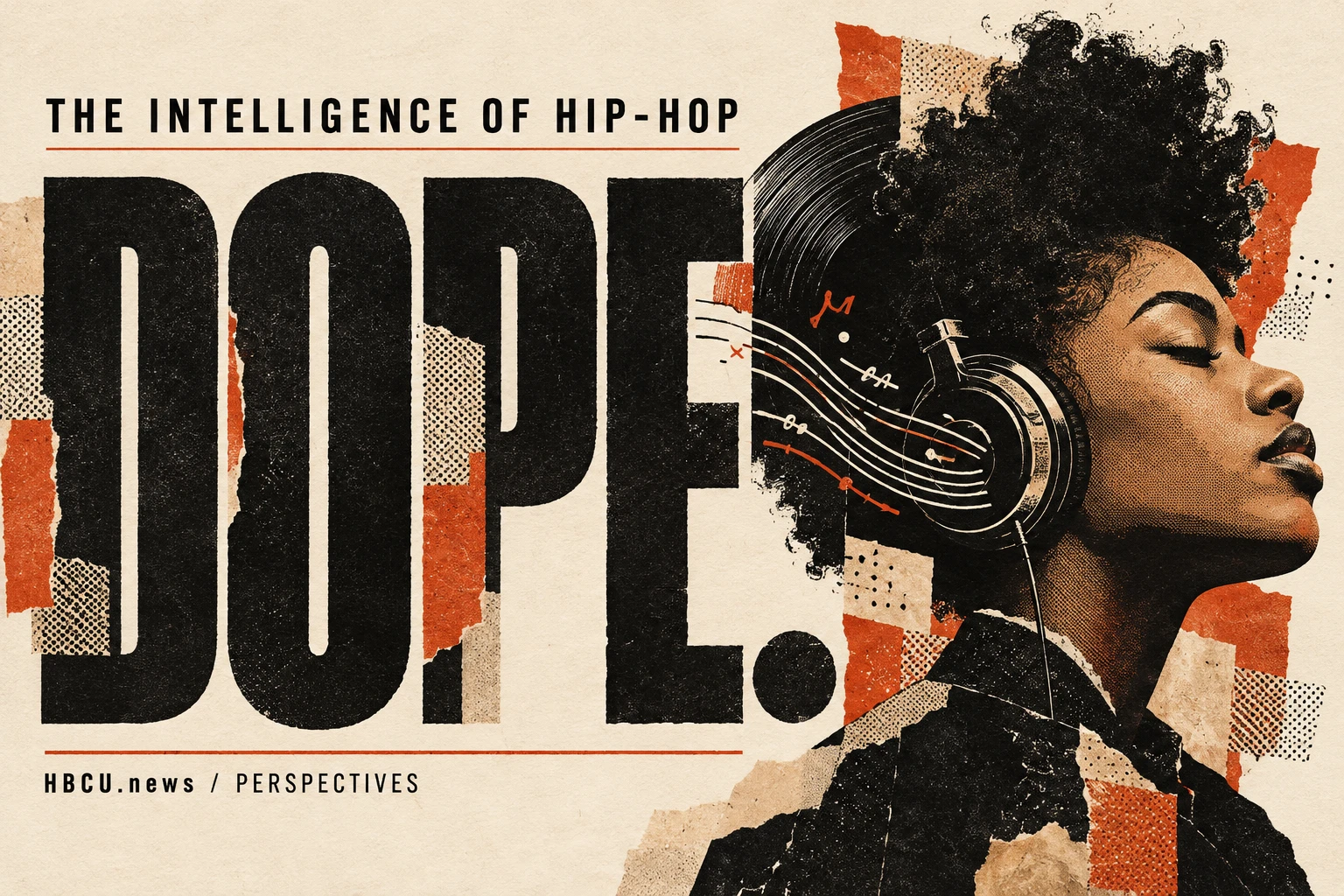
Watch the documentary editorial
One word.
A whole conversation.
Christopher “CJ” Nurse explores the thinking inside an everyday expression, in his own recorded voice.
Read the essay ↓I want to talk about a word. Dope. Four letters. One syllable. And, in the right moment, enough to tell somebody that you recognize something exceptional.
A beat makes you stop what you are doing. An idea solves a problem you had not quite worked out. Somebody shows up for another person when it matters. “That’s dope” can fit all three. The criteria change. The recognition travels.
I think of it as a culturally shared distillation of excellence. That is my interpretation of what the expression does, rather than a claim about where the word originated. The word offers a judgment; context tells us what is being judged. We understand more than its four letters can spell out.
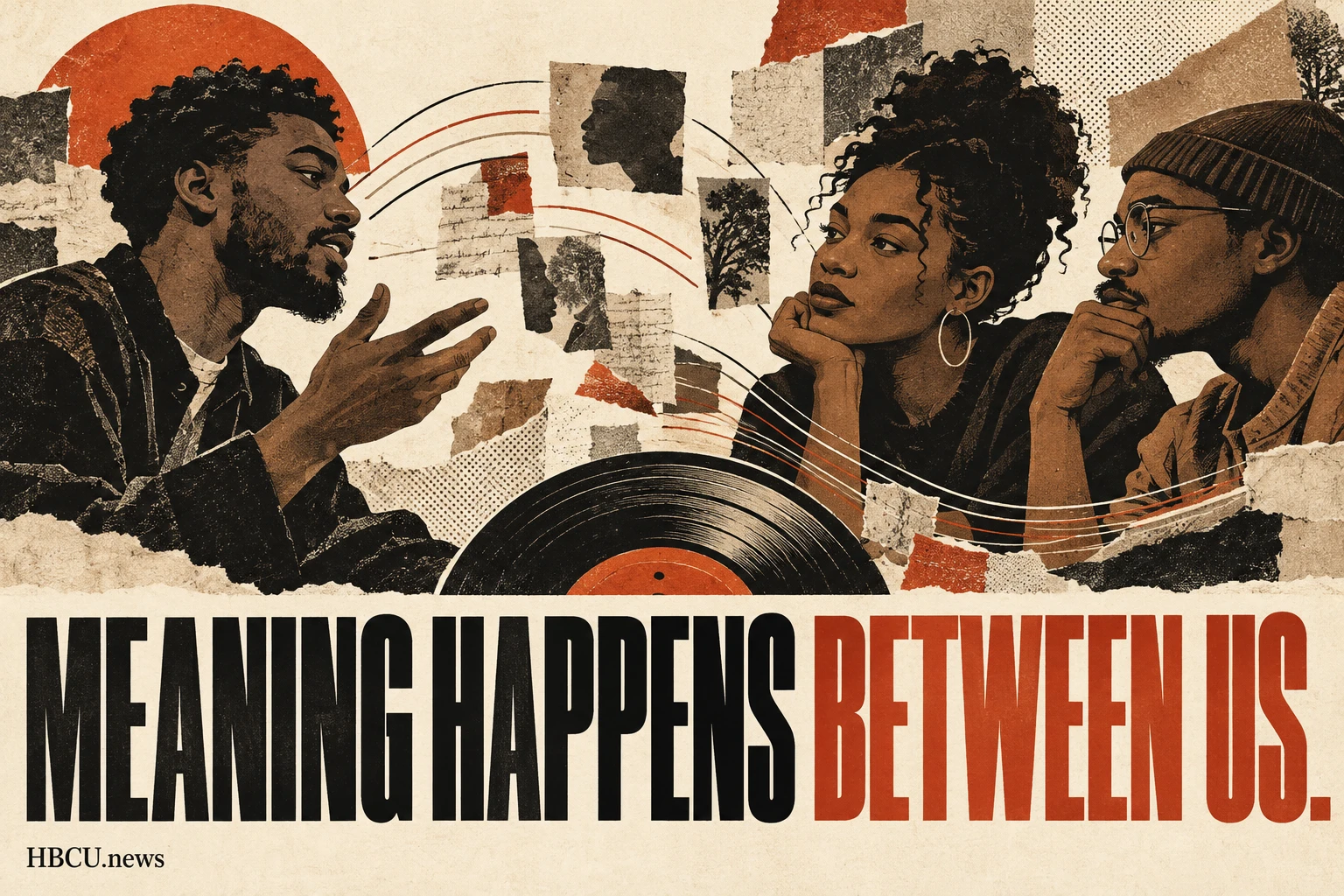
That understanding is not automatic or universal. A stranger might miss the reference. Friends may disagree about what deserves the description. But when the expression lands, it reveals a remarkable economy: a speaker and listener can communicate a great deal because they bring something to the exchange together.
The work of listening
Hip-hop gives me a way to think about that exchange. A rhyme can ask you to hear two meanings at once. A familiar sample can ask you to remember an earlier recording while listening to what has changed. A punchline can make you reconsider the sentence that came before it. The audience is doing interpretive work.
Listen for the brief delay before a room reacts. Sometimes that pause is the connection being made. The performer has offered something, and listeners are bringing memory, language, and experience to it. The reaction is part of the art’s social life.
Linguist H. Samy Alim’s work on Hip Hop Nation Language examines its grounding in African American language and its creative uses of discourse, including call-and-response and layered expression. His account places linguistic creativity within community and history. Hip-hop carries Black expressive traditions forward while developing new forms of its own.
From shared meaning to play
As a media professor and creator, I am interested in what happens when we notice this participation. We can ask how a reference travels, why a phrase works in one room and falls flat in another, or what a listener had to know to catch the joke. Those are questions about interpretation. They also make everyday conversations worth paying closer attention to.
That interest reaches into the games I am building, including JANK through PTG. Word games create another space to explore language, recognition, and creative problem-solving. A game and a rap performance ask different things of us, but the relationship between language and play keeps drawing my attention.
We do not need every song to carry a lesson, or every expression to demonstrate its worth in academic terms. Pleasure has value. So does recognizing the thought involved in making something, hearing it, and responding to it.
The next time somebody says, “That’s dope,” notice what the word leaves unsaid. What happened? What made it exceptional? What did both people already understand? There may be a whole conversation inside the answer.