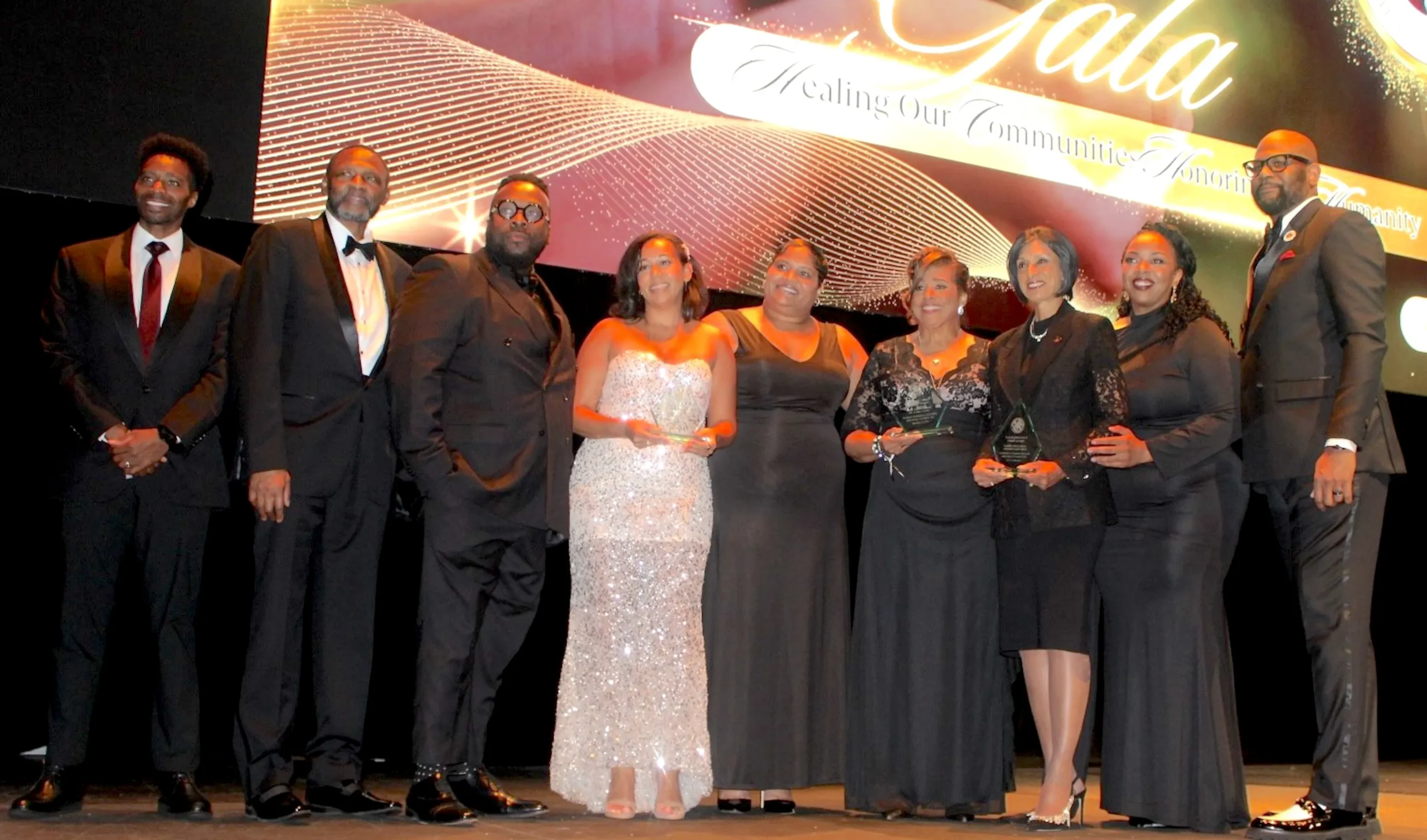
The Maryland Commission on Civil Rights and its foundation held the 2026 Annual Civil Rights Gala on Sept. 26, honoring community leaders and organizations.
The gala centered recognition within Maryland’s civil rights community. The supplied information does not identify the honorees or describe the specific contributions that led to their recognition, but it establishes that both individuals and organizations were honored at the annual event.
The Maryland Commission on Civil Rights and its foundation jointly held the gala. Their involvement places the event within the work of a state civil rights commission and its foundation, while the recognition of community leaders and organizations highlights the role of community-based efforts in the broader civil rights landscape.
For HBCU communities, events focused on civil rights can carry particular resonance. Historically Black colleges and universities have long been connected to civic engagement, leadership development and the pursuit of equity. The summary does not state whether any HBCU, HBCU-affiliated individual or organization participated in the gala, so no such connection can be confirmed here.
The event’s title identifies it as the 2026 Annual Civil Rights Gala, and the summary confirms that it took place on Sept. 26. No additional details are provided about the program, speakers, awards or attendance. Those details would be needed to assess the full scope of the gathering or the individual impact of the honors.
The gala nevertheless marks a public occasion for acknowledging leaders and organizations working within Maryland’s civil rights community. Recognition events can bring attention to community work, but the available information does not specify what actions or initiatives were highlighted during this year’s gathering.
Why this matters: Honoring community leaders and organizations keeps civil rights work visible and recognizes the people and groups contributing to Maryland’s communities. For HBCU audiences, that emphasis on leadership and equity reflects values closely associated with the broader Black college community, even though the summary does not identify a specific HBCU connection.