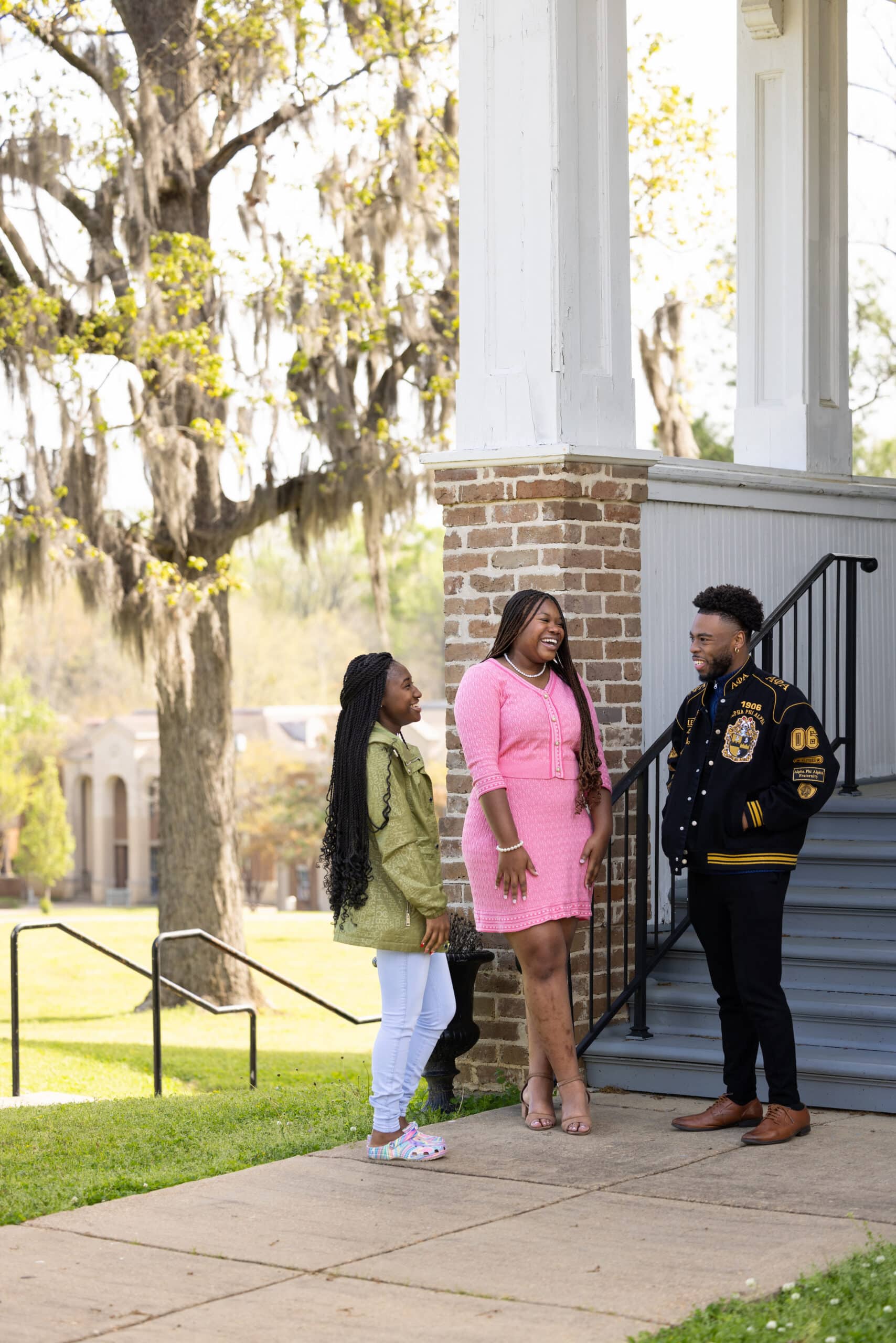
The presence of Andrew Ruffin in ESPN's coverage represents a moment worth examining for what it signals about how national sports media engages with historically Black colleges and universities. While the specific details of Ruffin's story remain limited in available information, his appearance on ESPN's platform underscores a broader conversation about visibility and representation in college athletics.
HBCUs have long operated within a distinct ecosystem of college sports, with their own rich traditions, conference structures, and athletic legacies. The Divine Nine fraternities and sororities, the iconic traditions of homecoming season, and the deep community investment in campus athletics have defined the HBCU experience for generations. Yet national sports media coverage of HBCU athletes and programs has historically been inconsistent, with many talented student-athletes and compelling stories remaining largely invisible to mainstream audiences.
When national outlets like ESPN turn their lens toward HBCU figures, it matters. It signals that the stories, achievements, and experiences of students at these institutions are worthy of the same editorial attention given to athletes at other universities. This visibility can have ripple effects—from recruitment and institutional recognition to broader cultural conversations about whose stories get told and whose achievements get celebrated.
The HBCU community has always known the caliber of talent, character, and achievement present on these campuses. From athletic excellence to academic rigor to leadership development, HBCUs have consistently produced graduates who excel in professional sports, business, medicine, law, and public service. Yet external validation through major media platforms can shift perceptions and open doors for current and future students.
For Andrew Ruffin specifically, ESPN coverage represents an opportunity to share his story with a national audience. Whether his narrative centers on athletic achievement, campus leadership, academic pursuits, or personal growth, the platform matters. It matters for his own trajectory and for what it communicates to other HBCU students about the possibilities available to them.
The relationship between HBCUs and national sports media continues to evolve. More coverage means more opportunities for student-athletes to be seen, recruited, and celebrated. It also means more chances for the broader public to understand the unique value proposition of historically Black institutions—their academic missions, their community commitments, and their role in American higher education.
Why this matters: When ESPN and other major media outlets cover HBCU athletes and campus figures, they help shift the national narrative about these institutions. Increased visibility for HBCU students can influence recruitment, institutional prestige, and the career trajectories of graduates. More fundamentally, it affirms that HBCU stories deserve the same platform and respect as those from any other university, strengthening the case for why these institutions remain vital to American higher education and culture.