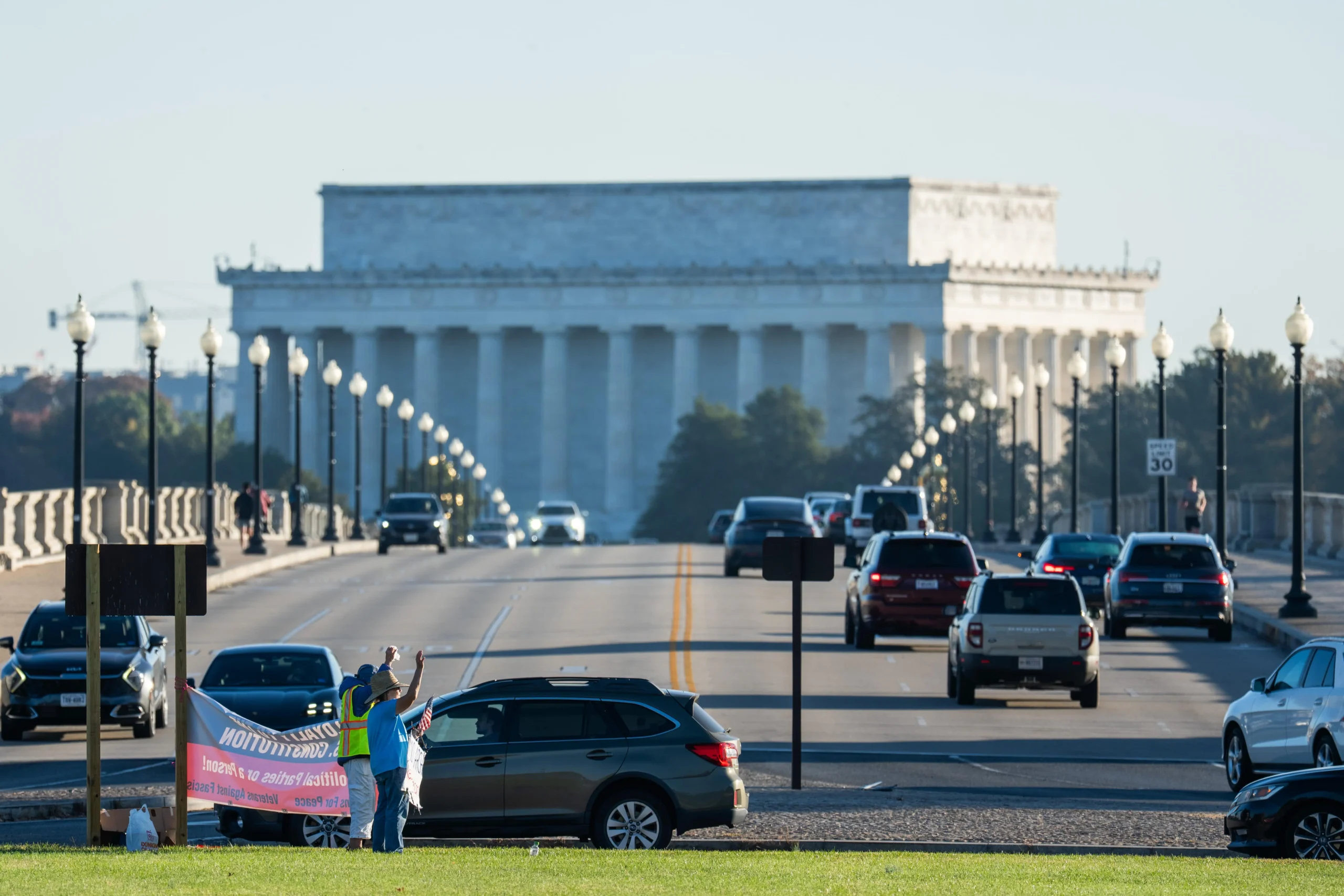
With Democrats regaining control of Congress, the political landscape in Washington has shifted dramatically, and one area facing renewed scrutiny is President Donald Trump's development projects in the District of Columbia. The change in congressional leadership creates an environment where policies and initiatives from the previous administration face heightened oversight and potential reversal.
Trump's focus on District of Columbia projects represents a notable pivot from typical political messaging, particularly following an election that the headline characterizes as having soundly repudiated his policies. The timing of this emphasis—during his first public appearance after the election—underscores the significance these projects hold for the former president, even as the political winds shift against his broader agenda.
The return of Democratic control to Congress introduces a new dynamic for how federal policy will be shaped and implemented. Historically, shifts in congressional power have led to reassessment of previous administrations' priorities, particularly those involving federal property, development agreements, and District governance. The District of Columbia, as the nation's capital and a unique jurisdiction with complex federal-local relationships, often becomes a focal point for such policy debates.
For HBCUs and the broader Black community in Washington, D.C., questions about development projects in the capital carry particular weight. The District is home to Howard University, one of the nation's most prestigious historically Black universities, as well as other institutions deeply woven into the fabric of Black intellectual and cultural life. Development decisions affecting the capital can have ripple effects on these communities, from real estate values to neighborhood character to educational and economic opportunities.
The headline suggests that Trump's D.C. projects may not survive the transition to Democratic congressional leadership intact. What remains unclear from available information is the specific nature of these projects, their current status, and which aspects might face the most significant challenges. The vagueness itself reflects the early stage of this political realignment and the uncertainty that typically accompanies shifts in power.
As Congress settles into its new composition, stakeholders across Washington—including educational institutions, community organizations, and residents—will be watching to see how Democratic leadership addresses the Trump administration's unfinished business in the capital. The outcome will likely depend on the specific details of these projects, their alignment with Democratic priorities, and the political capital Congress chooses to invest in revisiting them.
Why this matters: For HBCU communities and Black Washingtonians, development decisions made at the federal level directly affect the neighborhoods, institutions, and economic opportunities that anchor Black life in the nation's capital. How Congress addresses Trump's D.C. projects will signal whether Democratic leadership prioritizes community input and equitable development in a city with deep historical significance to Black America.