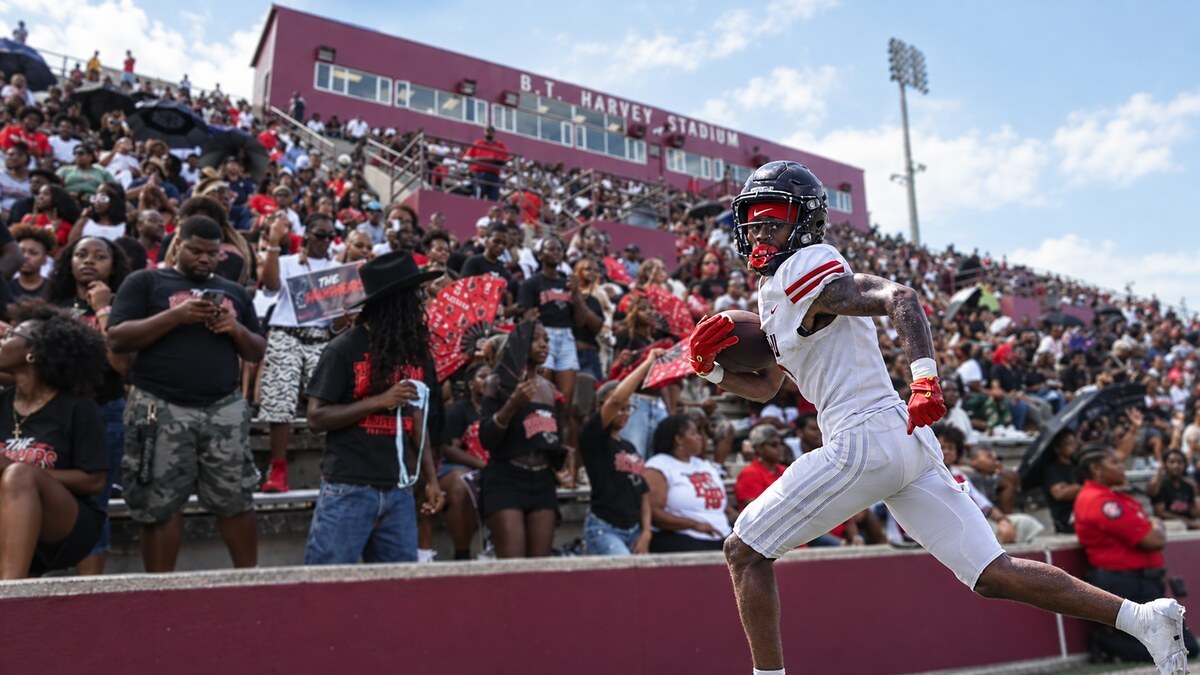
Clark Atlanta opened its season with a decisive 31-21 victory over Morehouse in the ATL Labor Day Classic on Saturday at B.T. Harvey Stadium, marking a strong start for first-year head coach Terry and the Panthers program.
The game, played in front of a significant early-season crowd, underscored the enduring intensity of the Atlanta HBCU rivalry. Both institutions carry deep histories within the HBCU landscape, and matchups between them draw the kind of community engagement that defines college football in the Atlanta area. The atmosphere at Harvey Stadium reflected that tradition, with fans turning out to witness the Labor Day Classic.
For Clark Atlanta, the victory represents an important statement in the opening week of the season. A new head coach's first game carries particular weight—it sets the tone for how a program will operate, what standards will be upheld, and whether the team can execute under pressure. Terry's Panthers answered that challenge by controlling the game and securing a ten-point win, a margin that suggests more than a close contest decided by late-game heroics.
The Panthers' offensive and defensive performances combined to produce the winning margin. While specific play-by-play details remain limited, the final score reflects a team that moved the ball effectively and limited Morehouse's scoring opportunities. In early-season matchups, particularly in rivalry games, such balance often indicates a coaching staff that has prepared its roster well and players who have absorbed the system.
For Morehouse, the loss marks a difficult start to the season. The Eagles, like Clark Atlanta, are part of the Atlanta University Center and carry their own storied football tradition. Opening with a conference or rivalry loss can create early-season pressure, though the season remains young and opportunities for recovery lie ahead.
The ATL Labor Day Classic itself reflects the broader significance of HBCU football in Atlanta. The city has long been a hub for Black higher education and culture, home to multiple HBCUs that compete at high levels while maintaining deep connections to their communities. Games like this one draw families, alumni, and fans who see these matchups as more than athletics—they are cultural events that celebrate institutional pride and community identity.
Why this matters: The Clark Atlanta-Morehouse rivalry represents the kind of regional HBCU competition that strengthens the entire ecosystem of Black college football. When these programs play with intensity and draw crowds, they elevate visibility for HBCU athletics, create economic activity in Atlanta, and provide platforms for student-athletes to compete at meaningful levels. A strong start for Clark Atlanta under new leadership also signals stability and forward momentum for a program that serves its students and community. These early-season victories build momentum, attract recruits, and reinforce the importance of HBCU football in the broader college sports landscape.