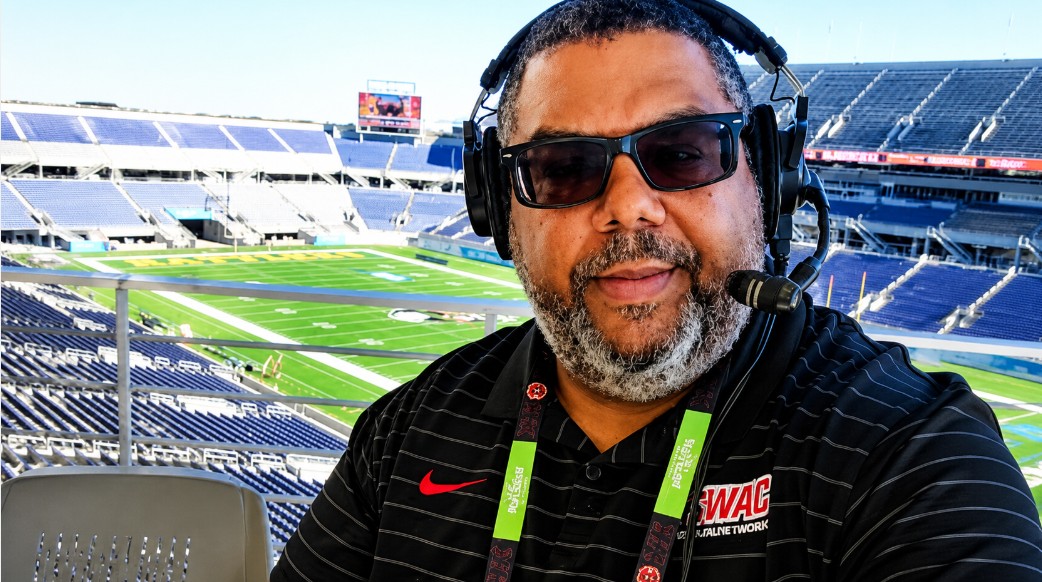
Florida A&M University has ended radio broadcasts of its football games, marking the conclusion of a longstanding tradition that connected Rattlers fans across the region to their team's on-field action. The decision has drawn disappointment from at least one longtime broadcaster associated with the program, according to reporting from the Tallahassee Democrat.
Radio broadcasts have long served as a vital lifeline for HBCU football fans, particularly those unable to attend games in person or access games through other media channels. For generations, the voices of broadcasters calling plays from the booth have been woven into the fabric of gameday experience for supporters who tuned in from their cars, homes, and workplaces. The tradition represents more than just play-by-play commentary—it embodies community connection and institutional pride.
The discontinuation of FAMU's radio broadcasts signals a broader shift in how the university plans to distribute its football content to fans moving forward. While the specific reasons for the decision are not detailed in available reporting, such moves often reflect changing media landscapes, budget considerations, or strategic decisions about where to concentrate promotional and broadcast resources.
For a broadcaster who has invested years in covering the Rattlers, the end of radio broadcasts represents the loss of a platform and a role that likely held deep professional and personal meaning. The disappointment expressed reflects not just a job change, but the closing of a chapter in FAMU's athletic storytelling tradition.
The move raises questions about how FAMU fans will now access live coverage of Rattlers football. Universities increasingly rely on streaming platforms, social media, and digital distribution to reach audiences, but these options are not universally accessible to all fans. Radio broadcasts, by contrast, require minimal technology and have historically served as the most democratic form of sports coverage, available to anyone with a receiver.
FAMU, one of the nation's premier historically Black universities, has a storied football tradition. The Rattlers compete in the MEAC (Mid-Eastern Athletic Conference) and have long been a source of pride for the institution and its alumni network. The decision to discontinue radio broadcasts affects not just current students and local fans, but also the broader FAMU family scattered across the country who have relied on radio to stay connected to their university's athletic programs.
Why this matters: Radio broadcasts have historically been a cornerstone of how HBCUs connect with their communities and alumni. When institutions discontinue these services, they risk widening the gap between the university and fans who lack access to premium streaming services or digital platforms. For FAMU and other HBCUs, maintaining multiple pathways for fans to experience their athletic programs—especially through accessible, low-cost options like radio—strengthens institutional bonds and ensures that economic barriers do not prevent community members from supporting their school.