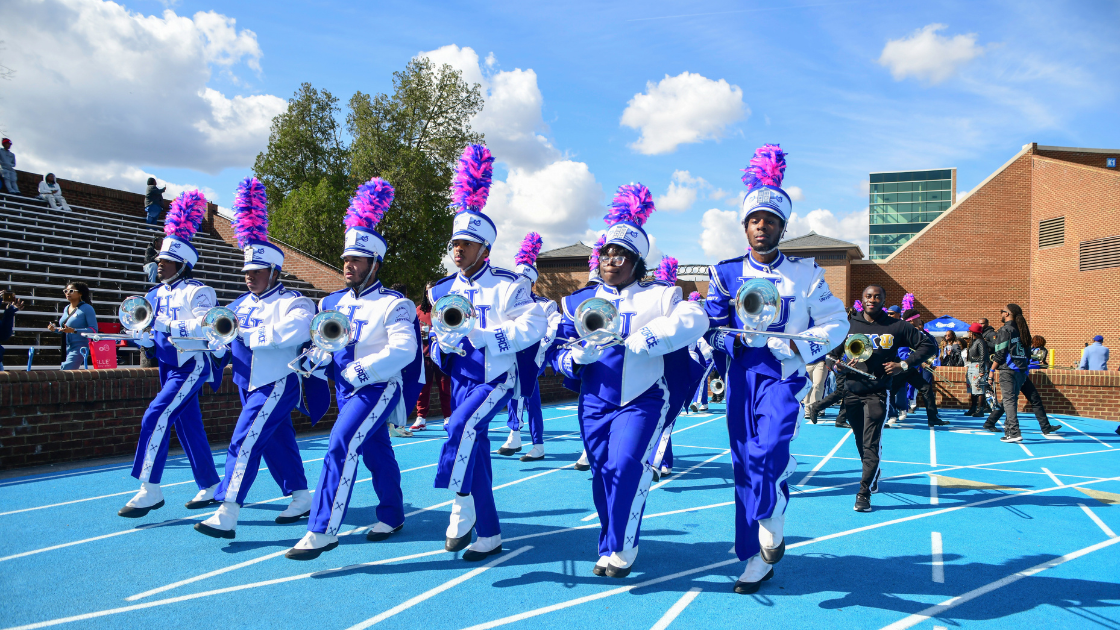
Hampton University's homecoming has long been one of the marquee events on the HBCU calendar, drawing alumni, families, and visitors to the historic Virginia campus for a week of celebration, competition, and community. Now, new economic projections underscore just how significant the event has become for the broader region.
The university's 2026 homecoming is estimated to generate between $8 million and $10 million in economic impact—a dramatic jump from the $3 million figure cited for the 2024 homecoming. The surge reflects growing attendance and increased spending across the entire celebration week, signaling that Hampton's homecoming has become not just a cultural touchstone for the HBCU community but a meaningful economic engine.
Homecoming week at an HBCU is far more than a football game. It encompasses the yard—that central gathering space where students and alumni reconnect—along with concerts, step shows, Greek life competitions, alumni receptions, and countless other events that draw people to campus and into the surrounding community. Hotels fill up, restaurants see packed tables, and local businesses benefit from the influx of visitors spending money on food, entertainment, lodging, and merchandise.
The nearly threefold increase in projected economic impact from 2024 to 2026 suggests that Hampton's homecoming is not only maintaining its cultural relevance but expanding it. This kind of growth can reflect several factors: larger attendance numbers, longer stays by visitors, increased spending per person, or a combination of all three. For a university and its surrounding community, these figures matter because they demonstrate the tangible value that institutional traditions bring to the local economy.
Hampton University, founded in 1868, has a storied history and a deeply engaged alumni network. The university's homecoming has evolved into one of the most anticipated weeks on the HBCU social calendar, drawing people who may not have visited campus in years. That reunion energy, combined with the pride of the current student body and the broader HBCU community's investment in supporting one another's institutions, creates the conditions for significant economic activity.
The projection for 2026 represents a milestone moment for the university and a validation of the resources invested in making homecoming a premier experience. It also raises questions about how the university and local community partners are preparing for this level of economic activity and whether infrastructure, hospitality services, and local businesses are positioned to meet the demand.
Why this matters: Hampton's homecoming economic surge demonstrates the real financial power of HBCU traditions and the ways that cultural celebrations drive resources back into Black communities. When an HBCU homecoming thrives economically, it benefits not just the university but local hotels, restaurants, transportation services, and countless other businesses. It also reinforces why HBCUs remain vital anchors in their regions—places where community, culture, and commerce intersect in ways that strengthen the entire ecosystem.