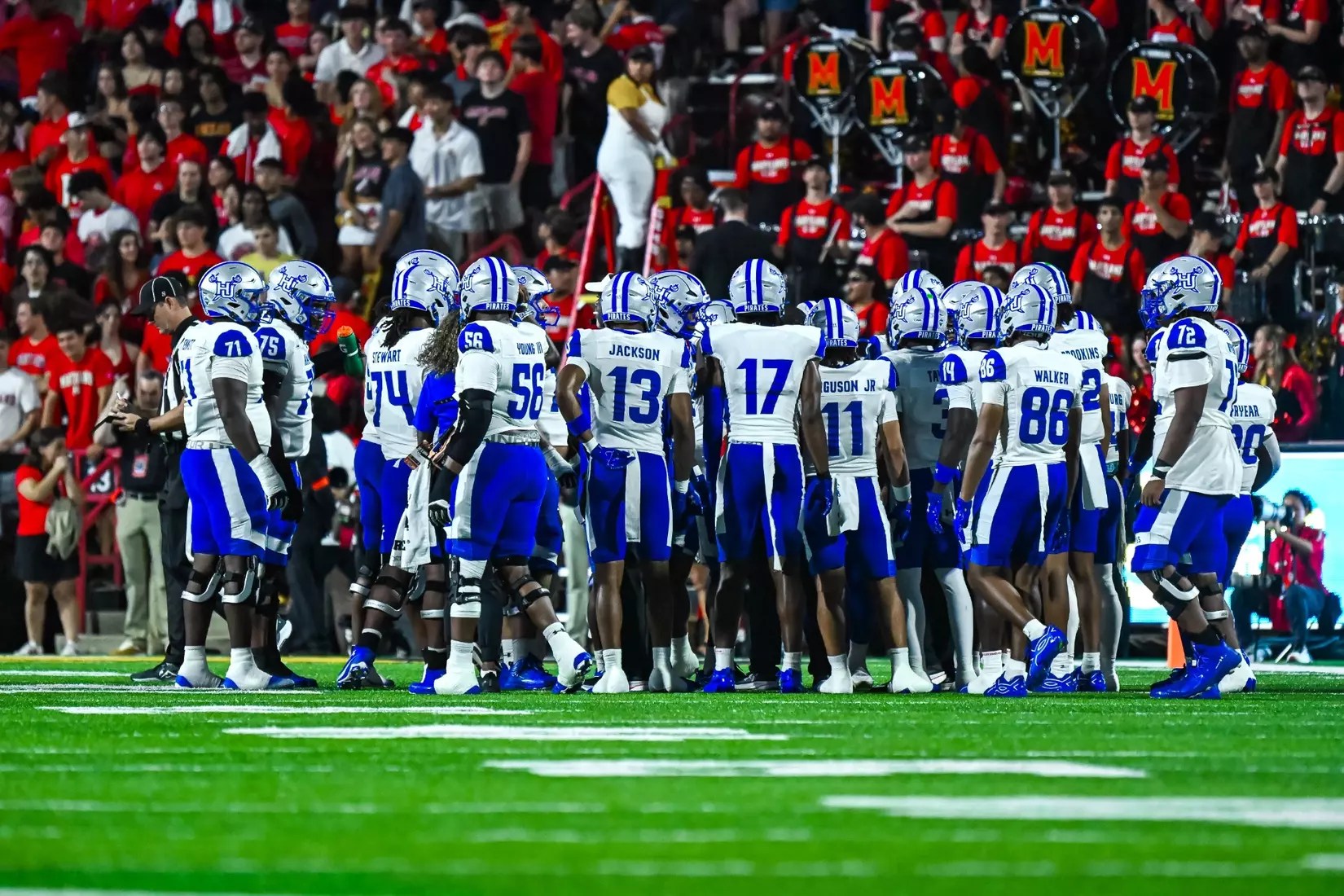
Hampton University's football team faced a stark introduction to Power Four competition on Saturday, suffering a 62-0 shutout loss to the University of Maryland. The decisive scoreline underscored the significant competitive distance between the Pirates' Colonial Athletic Association and the upper echelon of college football.
For a program accustomed to competing within the CAA—a conference that has produced competitive FCS football—the matchup against Maryland represented a substantial step up in competition level. The Pirates entered the contest knowing they would face a program with substantially greater resources, recruiting reach, and infrastructure. The final score reflected that disparity in stark terms.
Hampton's athletic program has a storied history in HBCU athletics, competing across multiple sports and maintaining a presence in regional and national conversations. Football, however, operates within a different competitive landscape than many other sports, where the gap between FCS and Power Four programs has widened considerably in recent years. The shutout loss serves as a tangible measure of that gap.
The game itself represents a learning moment for the Pirates' program. Scheduling Power Four opponents carries inherent risks—the likelihood of lopsided defeats is real—but such contests also provide valuable data about where a program stands and what areas require development. Coaches and players gain film study material, identify specific weaknesses, and understand the speed and sophistication of play at the highest levels of college football.
For Hampton specifically, the loss occurred in what the program framed as a Power Four debut, suggesting this was a deliberate scheduling decision rather than an accident of circumstance. Programs sometimes pursue such matchups to test themselves, generate revenue through guarantee games, or build their profile. The outcome, while painful, was not entirely unexpected given the competitive realities of FCS versus Power Four football.
The CAA itself has produced competitive football programs and has sent players to the NFL, but the conference operates at a different resource level than Power Four conferences. The structural advantages—television contracts, recruiting budgets, facility investments, coaching salaries—create compounding advantages that show up most visibly in games like Saturday's contest.
Hampton will return to CAA competition, where the Pirates can compete on more level ground. The experience against Maryland, however difficult, becomes part of the program's institutional knowledge and may inform future scheduling decisions.
Why this matters: For HBCUs navigating the evolving landscape of college athletics, games like this highlight both the opportunities and challenges of competing across different levels. While Power Four programs continue to consolidate resources and talent, HBCU programs must be strategic about scheduling, development, and resource allocation. Hampton's willingness to test itself against elite competition reflects confidence, but the result also reminds the HBCU community of the structural inequities that shape college sports. How HBCU athletic programs respond to these realities—through conference realignment, scheduling strategy, and institutional investment—will shape the future of Black college athletics.