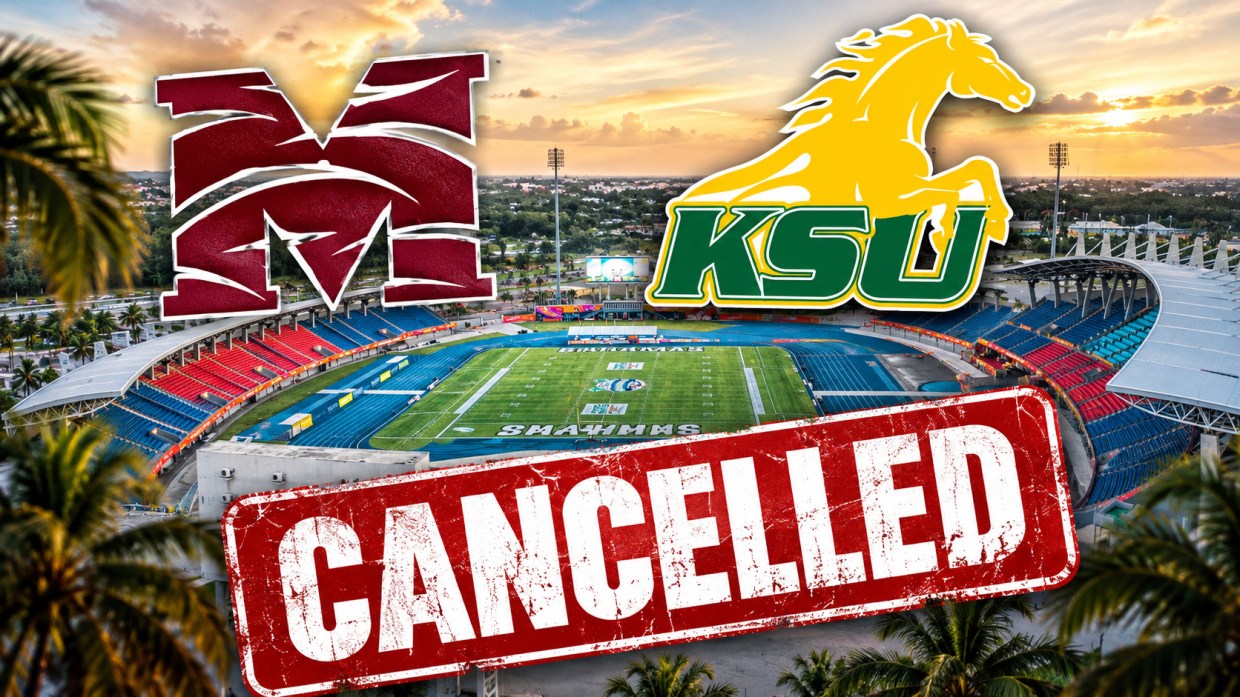
The YES Bahamas HBCU Classic will not take place, organizers announced, citing funding challenges as the reason for the cancellation. The showcase was set to feature Kentucky State University and Morehouse College competing in an international setting.
This cancellation represents a significant setback for Kentucky State's football program, which had looked to the Bahamas Classic as part of its schedule. For HBCUs, international showcases have become increasingly important platforms—they offer student-athletes exposure beyond the traditional domestic college football landscape, provide opportunities for cultural exchange, and generate revenue streams that support athletic operations and institutional missions.
What makes this cancellation particularly notable is its timing within a pattern. This marks the second consecutive year that a Kentucky State international football showcase has either been moved or canceled. Such disruptions can create scheduling complications for athletic departments, affect recruiting narratives, and impact the financial planning that universities depend on when organizing their seasons.
The funding challenges cited in the cancellation reflect broader pressures facing HBCU athletic programs. Many historically Black colleges and universities operate with tighter budgets than their Power Five counterparts, making international events—which require significant logistical and financial investment—especially vulnerable to economic headwinds. When a showcase falls through, the ripple effects extend beyond the field: student-athletes miss opportunities, coaching staff must scramble to fill schedule gaps, and the institution loses anticipated revenue.
Kentucky State, a member of the Ohio Valley Conference, has long been a competitive force in HBCU football. The university's athletic program, like many at HBCUs, balances the mission of providing world-class athletic experiences for its students with the financial realities of operating in a resource-constrained environment. International showcases represent one avenue through which programs attempt to elevate their profile and generate the funds necessary to sustain operations.
Morehouse College, the other institution that was to participate in the YES Bahamas HBCU Classic, is also affected by the cancellation. The Atlanta-based HBCU has built a strong football tradition, and such showcases offer platforms for visibility and competition at the highest levels.
The cancellation underscores a persistent challenge within HBCU athletics: the need for stable, reliable funding mechanisms that allow programs to execute their visions and provide student-athletes with the opportunities they deserve. While the specific details of the funding shortfall remain unclear from available information, the outcome is concrete—a planned event will not occur, and two universities must adjust their plans accordingly.
Why this matters: When HBCU football showcases are canceled due to funding constraints, it reflects systemic inequities in how resources flow to historically Black institutions. These cancellations limit visibility for HBCU student-athletes on international stages, reduce revenue opportunities that support athletic and academic missions, and demonstrate the ongoing financial pressures that distinguish HBCU operations from better-resourced programs. Supporting sustainable funding for HBCU athletics is essential to ensuring these institutions can compete and thrive.