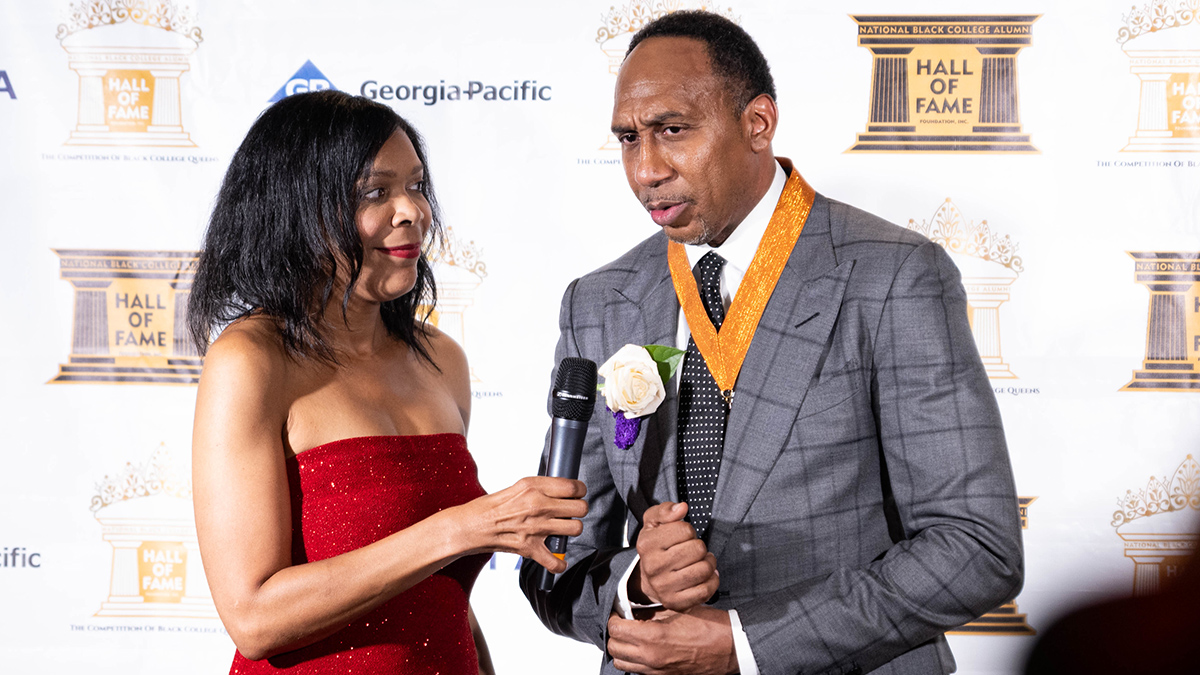
Stephen A. Smith, the prominent sports media personality, has announced he is nearing a deal to broadcast HBCU basketball games, signaling a potential expansion of national media coverage for historically Black colleges and universities in sports.
According to reporting from HBCU Gameday, Smith indicated that as part of this broadcasting initiative, he will be actively looking to recruit Black talent for the project. The move represents a notable moment for HBCU athletics, which have historically received limited national broadcast exposure compared to major conference programs.
The specifics of the deal—including which conference or institutions would be featured, the broadcast platform, or a timeline for launch—were not detailed in the available reporting. Smith's involvement, however, underscores growing interest from established media figures in creating dedicated coverage for HBCU sports.
HBCU basketball has long been a source of pride within the Black community and on college campuses across the nation. The sport carries deep cultural significance, from the pageantry of halftime shows to the traditions that define the HBCU experience. Yet despite the talent on display and the passionate fan bases that support these programs, HBCU basketball has struggled to secure consistent national broadcast partnerships that would elevate the visibility of players and programs.
The emphasis on recruiting Black talent for this broadcasting venture also speaks to broader conversations within sports media about representation behind the camera and in the booth. HBCU communities have long advocated for more opportunities for Black journalists, commentators, and production professionals in sports broadcasting—roles that have historically been underrepresented.
Smith's track record as a high-profile sports commentator gives this announcement weight within the industry. His willingness to pursue an HBCU basketball broadcasting deal suggests there may be commercial viability in serving this audience and telling these stories at a national scale.
The deal remains in development, and details about its structure, scope, and implementation remain unclear based on current reporting. Interested parties and HBCU fans should watch for official announcements from Smith or his production team regarding launch dates, which conferences or schools will be included, and where games will be broadcast.
Why this matters: HBCU basketball deserves national platforms that showcase the athleticism, culture, and excellence of these institutions and their student-athletes. Increased broadcast visibility can drive recruitment, enhance institutional profiles, and create career opportunities for Black professionals in sports media—an industry where such representation remains limited. A deal of this nature could set a precedent for how major media figures invest in HBCU sports coverage going forward.