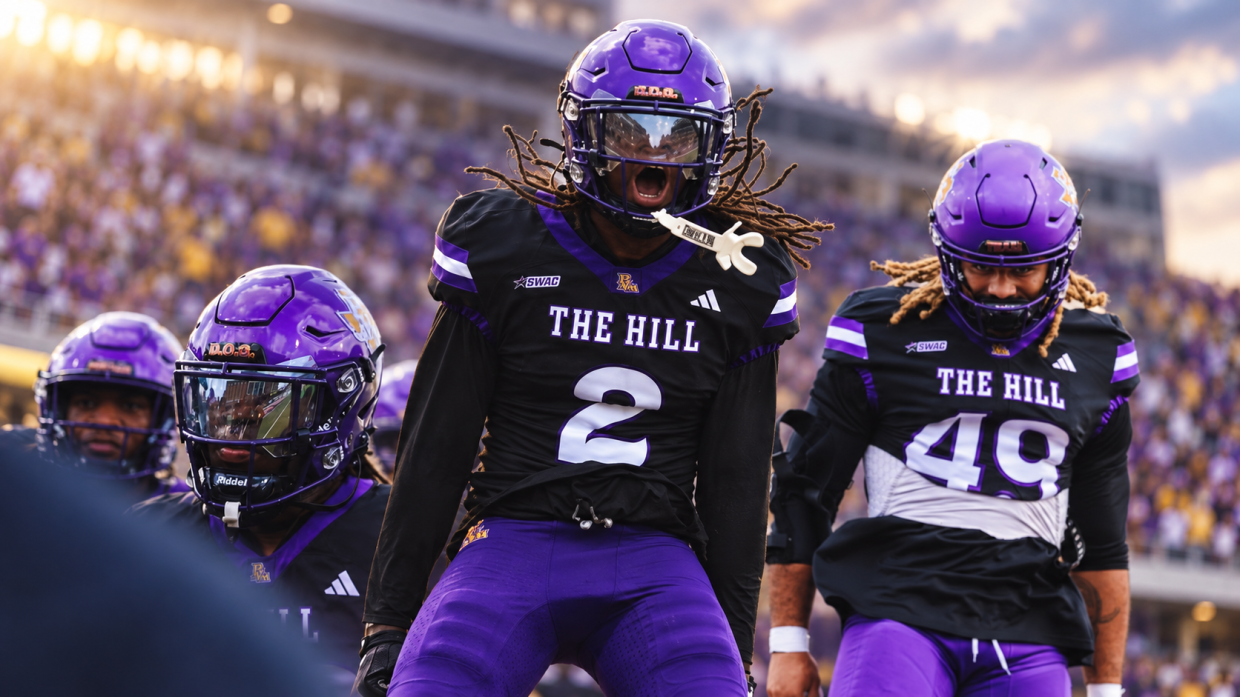
The Prairie View A&M versus Texas Southern rivalry game delivered more than bragging rights this season—it offered a statement about where the Panthers stand in the FCS landscape. Following a competitive loss to No. 5 Tarleton State, Prairie View responded with a decisive 52-14 victory over TSU, a performance that underscored the program's trajectory as a rising force in Division I FCS football.
Rivalry games between HBCUs carry particular weight in the broader college football ecosystem. These matchups represent not just institutional pride but also opportunities for programs to demonstrate their capabilities on a stage where national scouts and media are watching. For Prairie View, the timing of this dominant showing—coming on the heels of a loss to a nationally ranked opponent—speaks to the program's resilience and competitive depth.
The Panthers' 38-point victory margin against TSU is the kind of performance that generates conversation in FCS circles. While the loss to Tarleton State showed Prairie View could compete with elite FCS programs, the rout of their HBCU rival demonstrated consistency and offensive firepower. In a landscape where FCS programs constantly vie for recognition and postseason opportunities, such decisive wins become part of the narrative that builds a program's national case.
Prairie View's emergence as an FCS contender reflects years of institutional investment in football. The program operates within the Southwestern Athletic Conference, a conference with a rich tradition of competitive football and a pipeline of talent that has long produced quality FCS programs. The Panthers' recent performance suggests they are capitalizing on that foundation.
For Texas Southern, the loss represents a setback in a rivalry that matters deeply to both institutions and their fan bases. TSU, also competing in the SWAC, brings its own storied football tradition to these matchups. Rivalry games are rarely decided by a single performance, but this particular result will factor into how both programs are perceived as the season progresses.
The broader context here is significant: HBCU football programs continue to prove they belong in national conversations about FCS excellence. Prairie View's recent performances—competitive against a top-five team, dominant against a conference rival—illustrate that HBCUs are not simply participants in FCS football but genuine contenders capable of winning at high levels.
Why this matters: HBCU football programs operate with fewer resources than many of their FCS counterparts, yet they continue to produce competitive teams and develop talent for professional football. When a program like Prairie View demonstrates it can compete nationally, it validates the work of HBCU coaching staffs, athletic departments, and student-athletes who pour themselves into excellence. These performances also matter for HBCU communities—they generate pride, attract prospective students, and reinforce the value of HBCU institutions in American higher education and athletics.