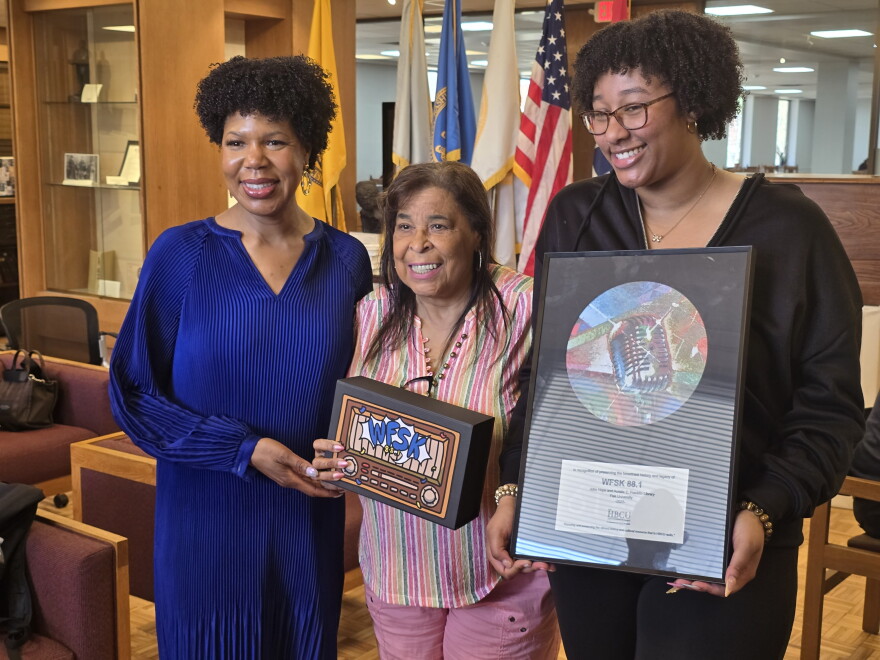
In 1973, Fisk University students launched WRFN—Radio Free Nashville. The station later became WFSK and continues broadcasting at 88.1 on the FM dial, linking the university’s student-led radio history to its present-day broadcast identity.
That history is now part of the HBCU Radio Preservation Project. In spring 2026, the project brought digitized sounds connected to Fisk’s radio legacy into focus, highlighting the preservation of material from a station that began with students and continued under a new call sign.
The progression from WRFN to WFSK is central to the story. Radio Free Nashville was the name used when Fisk students launched the station in 1973. Later, the station became WFSK, the name associated with its current broadcast at 88.1 on the FM dial.
The summary of the preservation effort does not specify which recordings were digitized or describe the full scope of the sounds brought forward in spring 2026. What it does establish is a connection between archival preservation and an ongoing Fisk University broadcast presence.
For campus life, the story places student media within the broader record of an HBCU. The station’s history begins with Fisk students creating WRFN and extends to WFSK’s continued broadcasting. The preservation project adds an archival dimension to that continuity by bringing digitized sounds into the conversation.
The station’s evolution also gives the preservation work a clear frame: a student-launched broadcast became a station known as WFSK and remains on the FM dial at 88.1. The available information does not identify additional participants, programming, or plans beyond the project’s spring 2026 activity.
As the HBCU Radio Preservation Project’s work is discussed, the Fisk example shows how a campus radio station can be understood through both its original identity and its later form. WRFN—Radio Free Nashville and WFSK are presented as connected parts of the same Fisk University radio history.
Why this matters: Preserving the digitized sounds of Fisk University’s radio history keeps a record of student-led broadcasting connected to an HBCU campus. It also places the station’s 1973 launch, its later identity as WFSK, and its current 88.1 FM broadcast within one continuing story of campus life.