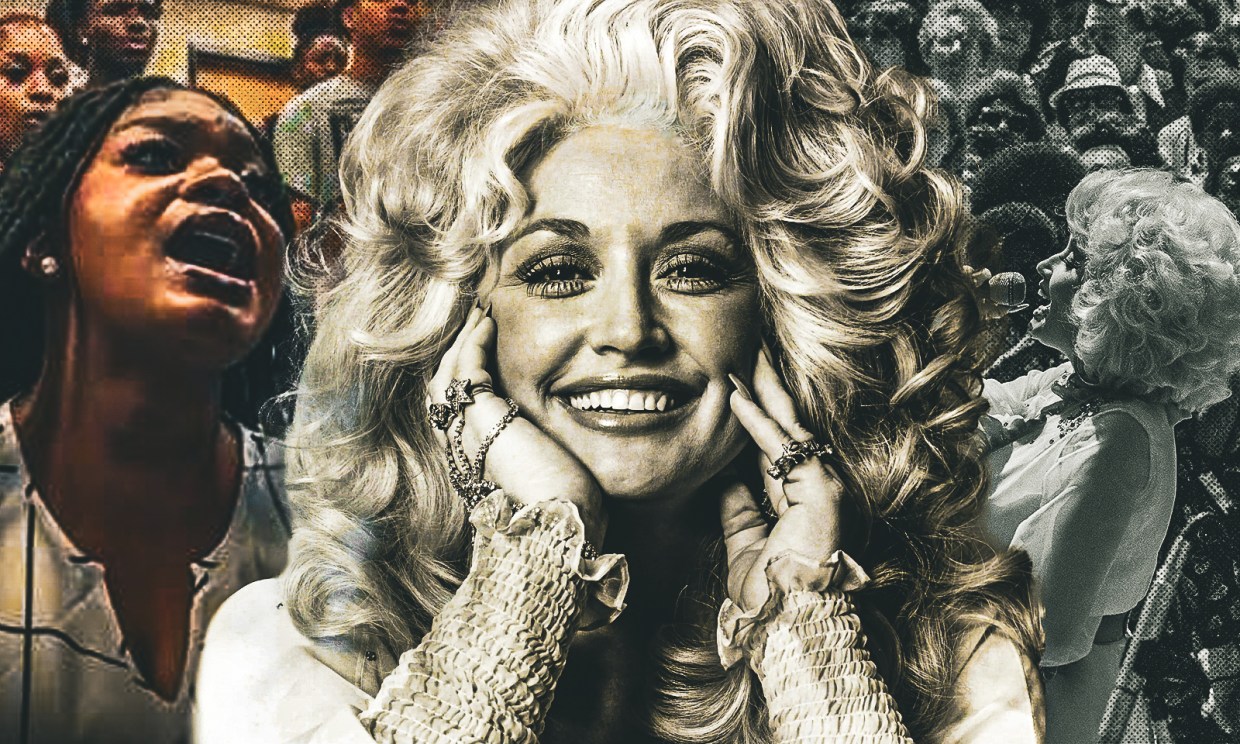
Jackson State University's choir has captured national attention with a viral performance honoring Dolly Parton, demonstrating the enduring power of cross-genre musical collaboration within historically Black colleges and universities. The ensemble's rendition of 'Light of a Clear Blue Morning,' led by sophomore soloist Asha White, has gained significant online traction, resonating with audiences far beyond the campus community.
The performance underscores a broader truth about HBCU musical traditions: the depth and versatility of Black choral artistry extends across genres and generations. Parton's catalog, rooted in country and folk traditions, finds new life and meaning when interpreted through the lens of soul and gospel sensibilities that define much of HBCU choral work. Jackson State's interpretation demonstrates how these musical worlds need not remain separate—they can speak to one another, enriching both in the process.
The viral success of this tribute arrives at a moment when HBCU choral excellence is receiving unprecedented national recognition. Virginia Union University's Gospel Choir has advanced to the ballot for the inaugural HBCU Choir of the Year category at the 41st Annual Stellar Gospel Music Awards, joining twelve other HBCU choral groups in this historic competition. The Virginia Union University Gospel Choir, directed by Professor Joel Lester through the Hezekiah Walker Center for Gospel Music at VUU, represents the caliber of musical achievement that HBCUs continue to produce.
For those wishing to support VUU's Gospel Choir in this inaugural category, voting is open online at thestellarawards.com by clicking the 'Calling All HBCU' banner, or through the official ballot link at https://www.balloteer.com/bp/nph-bstart?&eid=21201457813771191871. Public voting runs through June 1, with official nominees announced on June 3. This represents a rare opportunity for the broader public to directly influence recognition of HBCU musical excellence at a major national awards platform.
These moments—Jackson State's viral tribute and Virginia Union's ballot inclusion—reflect a larger cultural shift. HBCU choirs have long been repositories of musical excellence, training grounds for professional singers, and cultural ambassadors. Yet their work often remains underrecognized beyond campus walls and regional competitions. When performances go viral or when HBCUs receive dedicated categories at national awards, it signals that the broader American audience is beginning to pay closer attention to the artistry that has always flourished within these institutions.
Why this matters: HBCU choral programs represent more than musical training—they are cultural institutions that preserve, innovate, and celebrate Black artistic traditions while demonstrating the universal power of music to connect across difference. When Jackson State's tribute reaches millions online and when Virginia Union's Gospel Choir competes for national recognition, it affirms that HBCU musical excellence deserves a seat at the national table. These moments inspire current students, validate the work of directors and faculty, and remind the broader public of what HBCUs have always known: that their cultural contributions are not niche—they are central to American music itself.