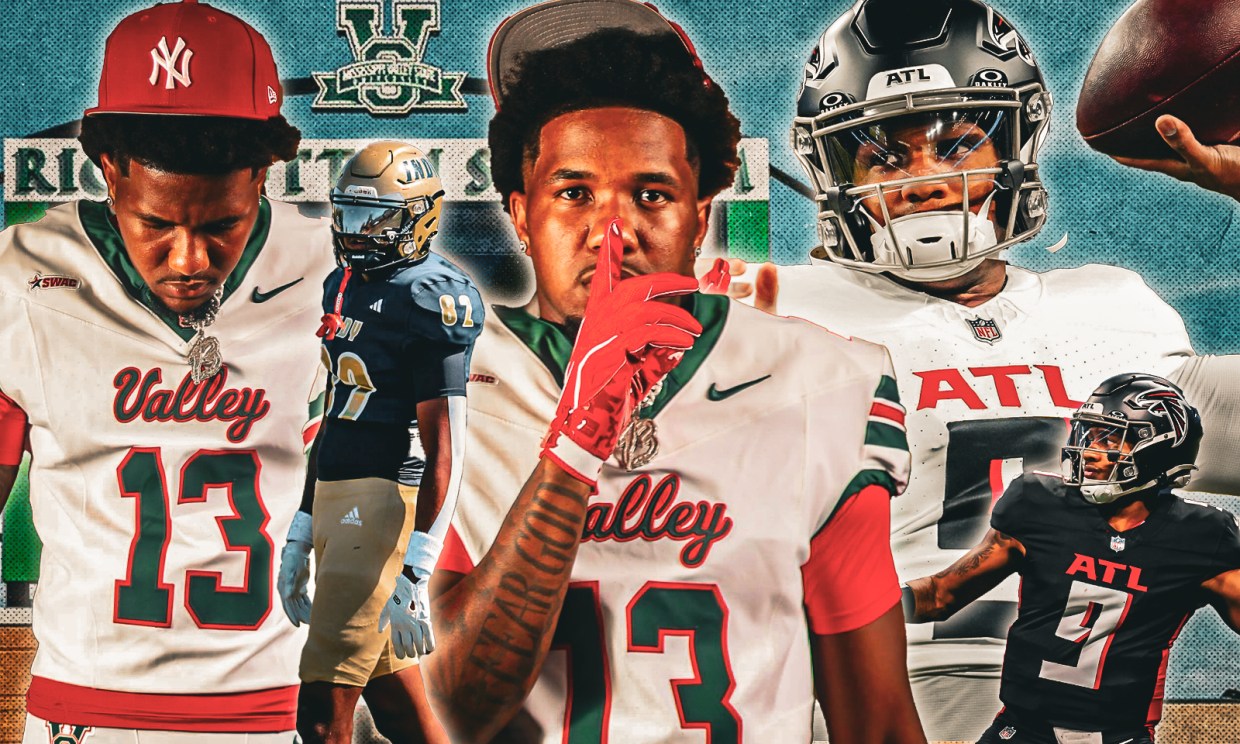
Mississippi Valley State has added a notable piece to its receiving corps with the arrival of Mekhi Penix, a 6-foot-4 receiver who is expected to become a top target for the program in 2026. Penix is the younger brother of Michael Penix Jr., who currently plays quarterback for the Atlanta Falcons in the NFL.
The addition represents a significant recruitment win for the Delta Devils, one of the historically Black universities competing in the Southwestern Athletic Conference. Building a strong receiving group is essential for any college football program, and landing a prospect of Penix's size and pedigree—with family connections to professional football—signals the program's commitment to strengthening its offensive weapons.
Mississippi Valley State, located in Itta Bena, has a storied football tradition within the HBCU landscape. The program competes at the FCS level and has long been a pipeline for developing talent. The arrival of Penix adds another dimension to that pipeline, particularly given the visibility that comes with having a family member playing at the highest level of professional football.
The connection between Mekhi and Michael Penix Jr. brings additional attention to Mississippi Valley State's program. Family networks in college athletics often create pathways for recruitment and development, and having a relative succeeding in the NFL can serve as both inspiration and a tangible example of what athletic excellence at an HBCU can lead to. The Penix family's involvement with the program may also enhance the visibility of Delta Devil football beyond traditional HBCU circles.
As Mekhi Penix prepares for his role with Mississippi Valley State, the focus will be on how he develops within the program and contributes to the team's offensive strategy. At 6-foot-4, he possesses the physical tools that college football programs value in receivers, and his expected role as a top target suggests the coaching staff has confidence in his ability to make an immediate impact.
The 2026 season will be the proving ground for Penix and the broader direction of Mississippi Valley State's football program. Recruiting efforts like this one demonstrate the program's ambitions and its ability to attract talent to the HBCU level.
Why this matters: The arrival of Mekhi Penix at Mississippi Valley State underscores the continued importance of HBCUs as destinations for serious college athletes. When talented players choose to compete at historically Black universities, it strengthens the entire HBCU athletic ecosystem and reinforces the value of these institutions as places where athletes can develop, compete at high levels, and build pathways to professional opportunities. Stories like this one help shift the narrative around HBCU football and demonstrate that excellence at the FCS level remains a viable and respected route in American college sports.