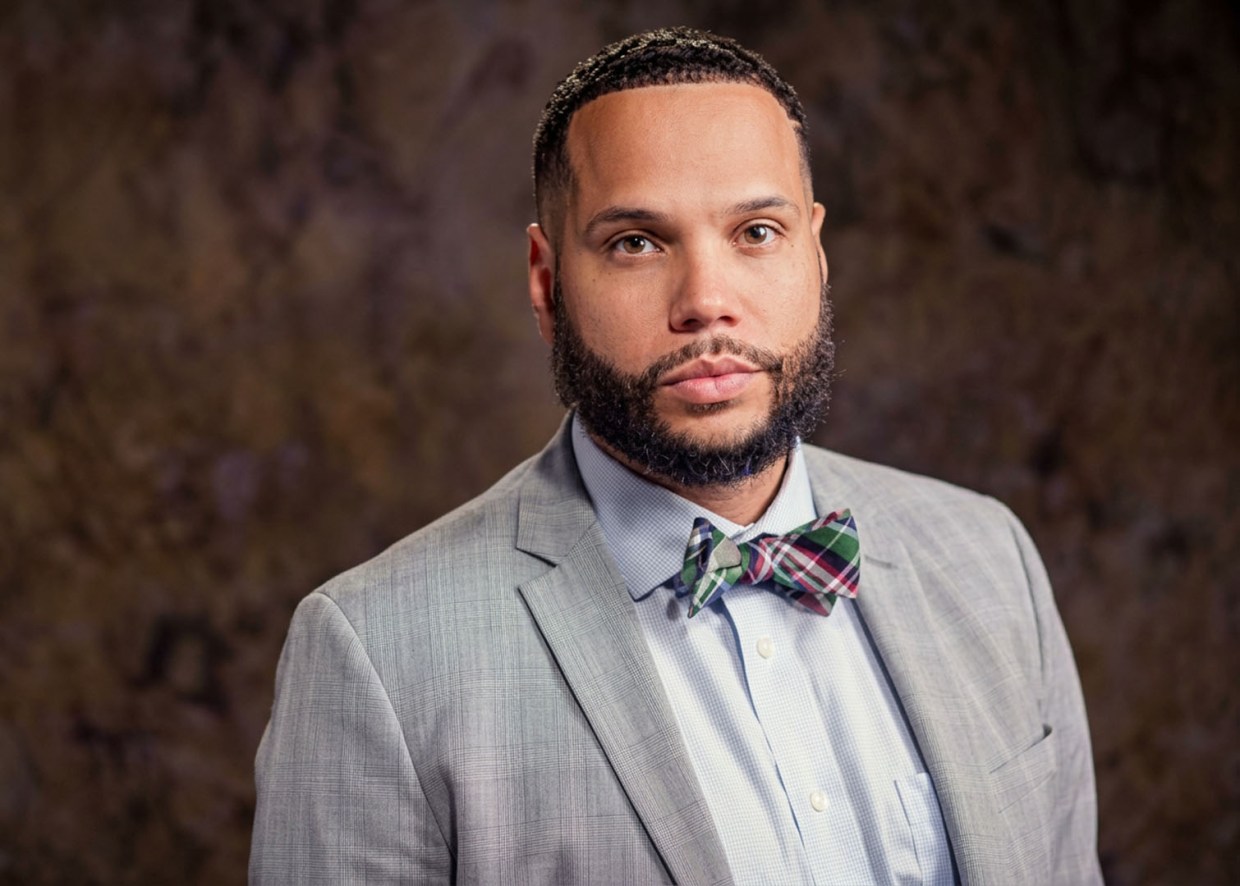
A North Carolina A&T alumnus has been appointed to lead the Memphis Chamber of Commerce as its new chief executive officer, bringing extensive experience in business recruitment, workforce development, and regional economic growth to the position.
The appointment reflects the growing presence of HBCU graduates in leadership roles across major American institutions. North Carolina A&T, one of the nation's largest historically Black universities, has long emphasized workforce preparation and business acumen alongside its engineering and technical programs. The university's alumni network spans industries from technology to finance to public service, and this latest appointment underscores the pipeline of talent flowing from HBCU campuses into executive positions that shape regional economies.
The new CEO brings more than 15 years of executive leadership experience, according to the announcement. That background in business recruitment and workforce development positions the appointee to address key priorities for Memphis's economic future. Chambers of commerce typically serve as convening bodies for regional business leaders, advocates for pro-growth policy, and facilitators of workforce initiatives that connect employers with talent pipelines.
Memphis, as a major regional hub in the Mid-South, has long relied on its chamber to coordinate economic development efforts and represent business interests in civic planning. The appointment of someone with deep experience in workforce development carries particular significance in a region where talent attraction and retention remain ongoing challenges for employers.
The role of chamber leadership extends beyond business networking. CEOs of major chambers often shape regional narratives around economic opportunity, influence policy conversations at the local and state level, and help coordinate between educational institutions—including HBCUs—and employers seeking skilled workers. An appointee with a background in workforce development may be positioned to strengthen those connections.
North Carolina A&T's own location in Greensboro has made it a central player in regional economic development conversations in North Carolina. The university's emphasis on STEM fields, business education, and career preparation has created a model that other regions often look to when thinking about how educational institutions can fuel economic growth. An A&T alumnus now leading Memphis's chamber may bring similar perspectives to that city's economic strategy.
The appointment also reflects broader trends in American business leadership, where diversity of background and experience—including HBCU education—is increasingly recognized as valuable in executive roles. Chambers of commerce have historically been spaces where business elites convene, and the presence of HBCU-educated leaders in those spaces signals shifting demographics and recognition of talent from all educational backgrounds.
Why this matters: HBCU alumni in executive leadership positions amplify the visibility and influence of historically Black universities in shaping regional economic policy and opportunity. When graduates of institutions like North Carolina A&T lead major civic institutions, they model pathways for other HBCU students and help ensure that HBCU perspectives inform how regions think about workforce development, business growth, and economic inclusion.