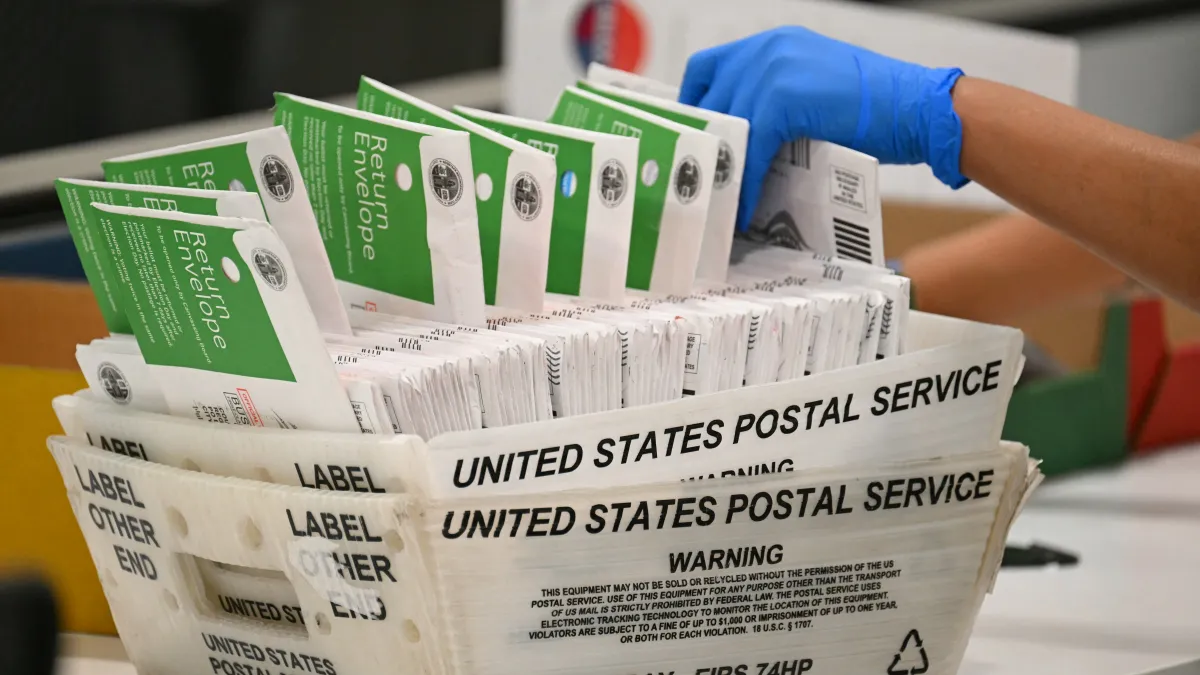
The U.S. Postal Service faces serious allegations that it is moving forward with a computer system built under pressure to comply with a Trump executive order, despite the system being error-riddled and potentially unreliable. According to a whistleblower statement, the rushed development and implementation of this technology could jeopardize mail voting—a process that approximately one-third of all voters depend on during elections.
The whistleblower's concerns center on the quality and readiness of the system being deployed. Rather than allowing adequate time for testing, debugging, and validation, the USPS appears to be prioritizing speed of implementation over thoroughness. This approach raises fundamental questions about whether critical infrastructure supporting American democracy is receiving the careful oversight it demands.
Mail voting has become an essential part of the American electoral process, particularly since the 2020 presidential election expanded its use nationwide. For many voters—including those in rural areas, military personnel stationed abroad, and individuals with mobility challenges—mail voting represents their primary or only viable option to participate in elections. Any system that threatens the integrity or reliability of mail voting therefore threatens the voting rights of millions of Americans.
The allegations also highlight the tension between executive directives and institutional capacity. When government agencies are ordered to implement changes quickly, the quality of execution can suffer. The USPS, already facing operational challenges and budget constraints, may lack the resources to both comply with new mandates and maintain the rigorous standards necessary for systems that directly affect voting.
A whistleblower coming forward with these concerns suggests internal awareness that something is amiss. Such individuals typically face professional risk when they speak publicly about institutional problems, which lends weight to the seriousness of their allegations. The fact that concerns about a voting-related system have reached this level of public attention indicates that multiple people within the organization likely share these worries.
The implications extend beyond the USPS itself. Election officials, poll workers, and voters all depend on the postal system functioning reliably during election cycles. If the new computer system fails or produces errors, the consequences could ripple through the entire voting process, potentially affecting vote counting, ballot delivery, and voter confidence in election outcomes.
Why this matters: For HBCU communities and Black voters broadly, mail voting has been a critical tool for exercising voting rights, particularly in regions where polling place access remains uneven or where work and family obligations create barriers to in-person voting. Any threat to the reliability of mail voting systems directly threatens the electoral power of historically marginalized communities. HBCU students, faculty, and staff who vote by mail—whether from campus or while working away from home—depend on a functioning postal system. When government systems affecting voting are built hastily and with known errors, it undermines the democratic participation that HBCUs have historically championed and that remains central to the mission of these institutions.