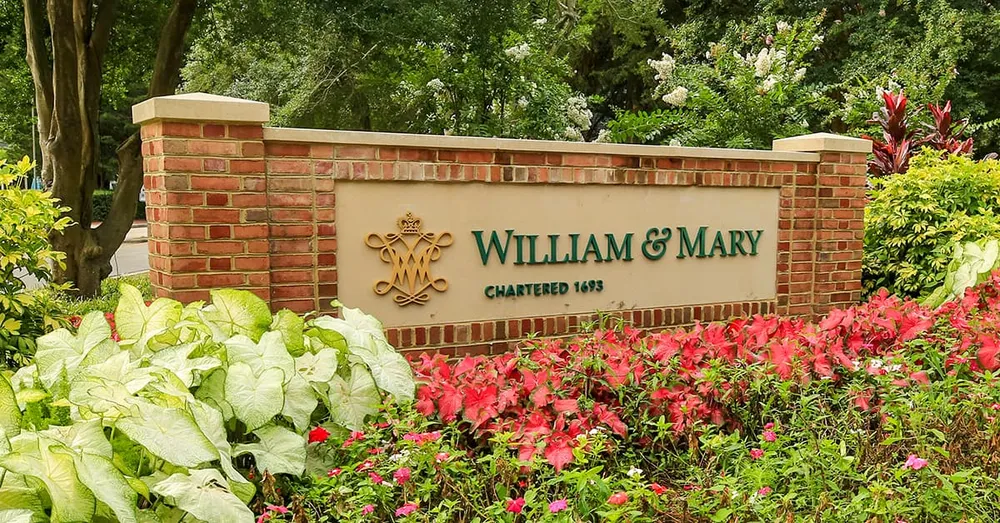
The Trump Justice Department has initiated a civil rights review into William & Mary University, focusing on scholarships and student programs that federal officials contend may distribute benefits based on race. The investigation is part of a broader pattern of federal scrutiny directed at race-conscious admissions and financial aid policies across American higher education.
The move reflects an intensified focus by the current administration on how colleges and universities structure their diversity initiatives and financial support mechanisms. William & Mary, a public research university in Virginia with deep historical roots in American higher education, now faces federal examination of whether its scholarship programs and student initiatives comply with civil rights law as interpreted by the Trump administration.
Race-conscious admissions and financial aid policies have long been contested terrain in American education policy. Institutions have historically used such policies as tools to address historical inequities and build diverse student bodies. However, recent years have seen increased legal and regulatory challenges to these practices, with federal authorities questioning whether they constitute unlawful discrimination.
The investigation into William & Mary's specific programs and scholarships will likely examine the criteria used to award aid, the stated purposes of various student initiatives, and whether race or ethnicity plays a role in determining eligibility or award amounts. The scope and timeline of the review remain unclear from available information.
This action occurs within a national context of heightened federal scrutiny of diversity-related policies in higher education. The Justice Department's civil rights division has become a focal point for reviewing institutional practices that the current administration views as potentially problematic under civil rights law.
Institutions across the country are watching how such reviews unfold, as the outcomes could influence how universities structure their financial aid packages, scholarship programs, and student support initiatives going forward. The investigation into William & Mary may serve as a bellwether for how aggressively federal authorities intend to pursue similar cases at other institutions.
Why this matters: For HBCUs and the broader Black higher education community, federal civil rights reviews of race-conscious scholarship and student programs at predominantly white institutions carry significant implications. These investigations can reshape the landscape of financial aid and diversity initiatives across American higher education, potentially affecting how resources flow to students of color and how institutions approach equity-focused programming. The outcomes of such reviews may influence policy decisions that ripple through the entire sector, including at HBCUs themselves, making it essential for the Black higher education community to monitor how these cases develop and what precedents they establish.