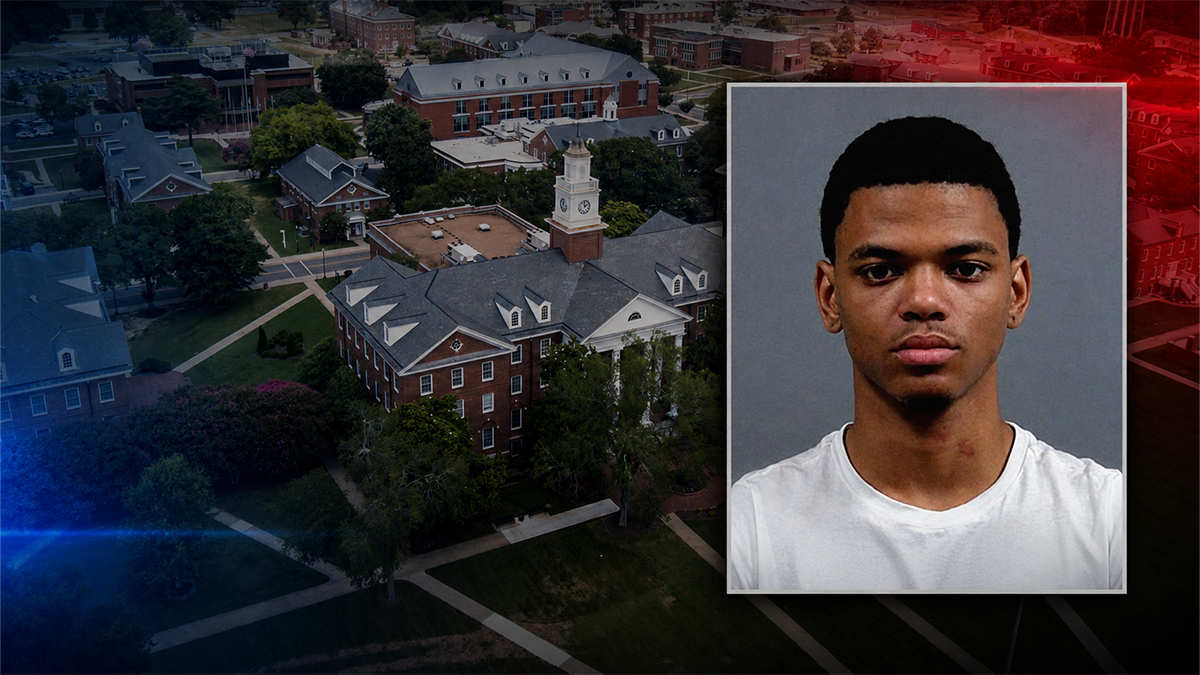
A shooting at Virginia State University's residence halls in the early morning hours of August 15 left five people injured, and the suspect was subsequently found hiding in a closet on campus.
The incident unfolded outside a residence hall, affecting multiple members of the VSU community during what should have been a routine night on campus. The discovery of the suspect in a campus closet marked a significant development in the immediate aftermath of the shooting.
Virginia State University, one of Virginia's two public HBCUs and a member of the Central Intercollegiate Athletic Association, has long served as a vital educational institution for Black students in the Commonwealth. Like many residential campuses, VSU's residence halls are central to student life and community building on the yard—the heart of any HBCU experience where students forge lifelong bonds and develop leadership skills.
The circumstances surrounding the shooting and the suspect's apprehension raise important questions about campus safety protocols and emergency response procedures. Residence halls represent spaces where students should feel secure, and incidents of this nature reverberate through the entire campus community, affecting not only those directly involved but also the broader sense of safety and belonging that is essential to student success.
The five individuals injured in the shooting represent members of the VSU community whose lives were directly impacted by this violence. The response to locate and apprehend the suspect demonstrates the coordination between campus security and law enforcement, though the full details of how the suspect came to be found and the circumstances leading to that discovery remain part of the ongoing situation.
Incidents of violence on HBCU campuses carry particular weight given the historical significance of these institutions as safe havens and spaces of empowerment for Black students. When safety is compromised, it affects not only the immediate victims but also the institutional mission and the trust that students and families place in these communities.
Why this matters: Campus safety is foundational to the HBCU experience. When violence occurs at institutions like Virginia State University, it threatens the sense of community and belonging that makes HBCUs vital spaces for Black student development. The incident and its resolution will likely prompt conversations about security measures, student support services, and how VSU and other HBCUs can continue to provide the protective, nurturing environment that has historically defined these institutions. The recovery and healing of the VSU community in the wake of this incident will require institutional commitment and support from the broader HBCU network.