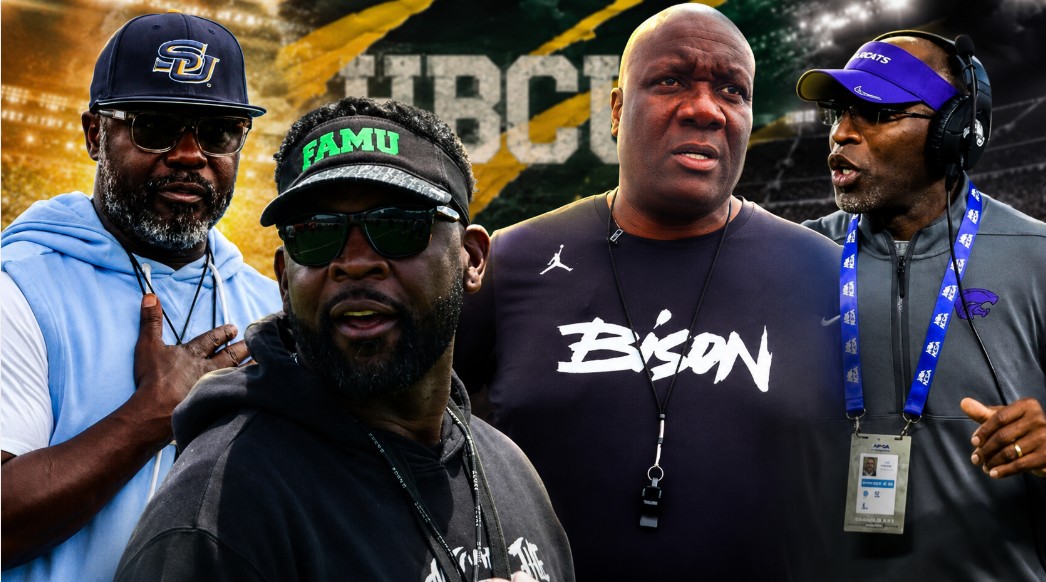
The landscape of Division I HBCU football has been reshaped in recent years by first-year head coaches who arrived with clear mandates and delivered measurable results almost immediately. The question now circulating through the HBCU sports community is which new coach might be the next to engineer a rapid turnaround at their institution.
The evidence for this trend is compelling. South Carolina State's Chennis Berry arrived in Orangeburg and reached the Celebration Bowl in his first season—a remarkable achievement that signaled the program's potential for immediate competitive improvement. Similarly, Tremaine Jackson has made an early impact in his new role, demonstrating that the right coaching hire can accelerate a program's trajectory faster than many observers might expect.
These successes reflect a broader pattern within HBCU athletics: the right leadership, combined with institutional commitment and roster management, can produce tangible results in a single season. First-year coaches often bring fresh perspectives, renewed energy, and sometimes access to recruiting networks or coaching philosophies that energize programs that may have been in transition. The Celebration Bowl appearance by South Carolina State exemplifies how quickly a program can compete at the highest levels of HBCU football when the pieces align.
For HBCU athletic departments, these examples underscore the importance of hiring decisions. The pressure to win immediately is real, but so is the opportunity. Programs that invest in the right coaching staff and provide adequate resources can see dramatic improvements in win-loss records, bowl eligibility, and overall program prestige within a single calendar year.
The HBCU football landscape includes several conferences—the MEAC, the CIAA, and others—each with programs at various stages of development. Some have recently made coaching changes and are watching closely to see whether their new hires can replicate the early success seen at other institutions. The competitive nature of HBCU football means that momentum matters, and a strong first season can set the tone for sustained success.
What makes these turnarounds particularly significant is that they happen within the context of HBCU athletics, where resources and recruiting advantages may differ from those at larger Power Five programs. Success at this level often reflects coaching acumen, player development, and institutional alignment—factors that can be controlled and optimized relatively quickly.
Why this matters: HBCU football programs represent more than athletics—they are central to institutional identity, student recruitment, and community pride. When a new coach arrives and delivers immediate results, it sends a signal that the program is serious about competition and investment. For students, alumni, and supporters, these turnarounds represent hope and validation that their institutions can compete and win at the highest levels of college football. The success of coaches like Berry and Jackson provides a roadmap and inspiration for other HBCU programs seeking to elevate their competitive standing.