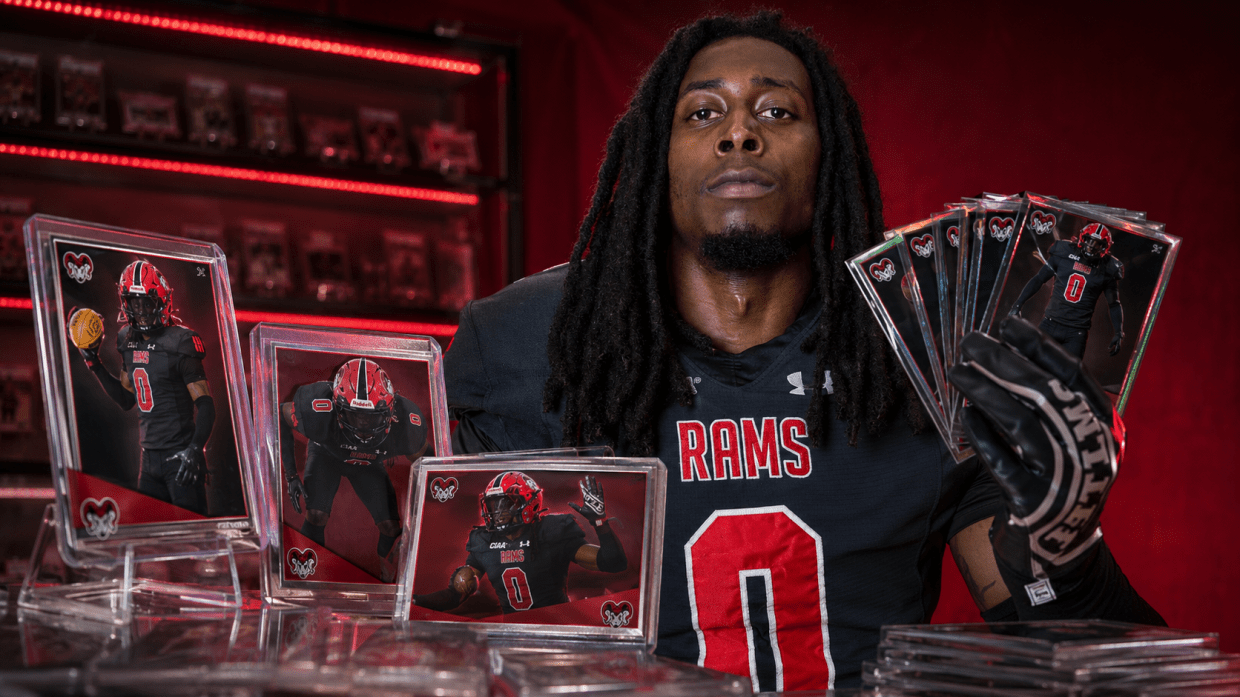
Winston-Salem State University defensive back Chancellor Smith represents a growing cohort of HBCU student-athletes who are redefining what it means to be a scholar-athlete in the 21st century. While excelling on the football field, Smith is simultaneously building a family business in Virginia, demonstrating that the pursuit of athletic excellence and entrepreneurial success need not be mutually exclusive.
The dual commitment reflects a broader narrative within historically Black colleges and universities, where students have long balanced rigorous academic coursework, athletic competition, and community engagement. HBCUs have historically cultivated leaders who wear multiple hats—a tradition rooted in the institutions' founding missions to develop the whole person, not just the athlete or the student.
Smith's involvement in a family business venture speaks to the entrepreneurial spirit that many HBCU students bring to their educational experience. Rather than viewing college solely as a pathway to professional athletics, Smith is building tangible assets and business acumen that will serve him long after his playing days conclude. This approach aligns with the financial literacy and self-sufficiency values that have long characterized HBCU culture.
The specifics of the family business remain rooted in Virginia, suggesting a commitment to regional economic development and family legacy-building. For many HBCU students, particularly those from entrepreneurial families, college becomes a time to deepen involvement in family enterprises while simultaneously pursuing their own athletic and academic goals. This model has produced generations of HBCU alumni who have gone on to lead businesses, nonprofits, and civic institutions.
Smith's example also underscores the reality that HBCU athletes often operate within different economic and social contexts than their peers at larger, wealthier institutions. Many HBCU student-athletes work part-time jobs, manage family responsibilities, or contribute to family businesses while maintaining their athletic commitments. Rather than being a distraction, these responsibilities often sharpen focus and time management skills that prove invaluable in professional life.
The football program at Winston-Salem State, like all HBCU athletic programs, operates within the broader mission of the institution: to educate and develop leaders. When a student-athlete like Smith channels his energy into both athletic excellence and business development, he embodies that mission in action. His presence on the field and in the business world sends a message to younger students that success is not limited to a single domain.
Why this matters: HBCU student-athletes like Chancellor Smith challenge the narrow narrative that college football is simply a stepping stone to the NFL. By actively building family business legacies while competing at a high level, Smith demonstrates the entrepreneurial resilience and multitasking capacity that HBCUs have long cultivated. His example inspires younger students to think expansively about their futures and reminds the broader community that HBCU athletes are developing into well-rounded leaders equipped to create wealth and opportunity within their own communities.