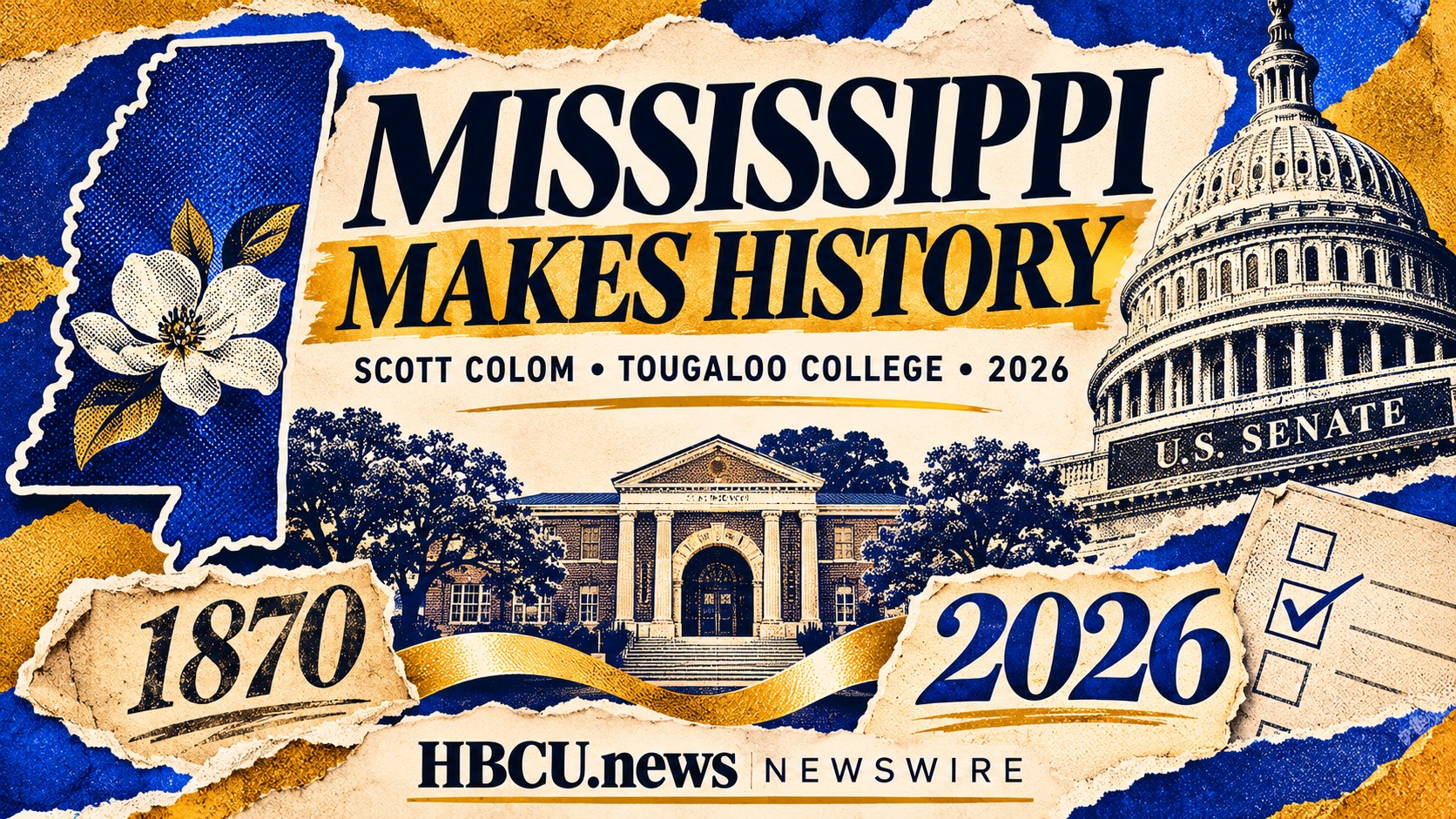
Mississippi elected Scott Colom to the U.S. Senate on Wednesday, November 11, making him the state's first Black senator since the Reconstruction era. Colom, a Democrat and former local prosecutor, defeated Republican incumbent Cindy Hyde-Smith after days of counting outstanding ballots.
The Associated Press called the race after updated county returns increased Colom's lead. At the time of the call, he was ahead by 4,669 votes out of 962,237 counted, roughly half a percentage point. Those were preliminary figures, not a final certified statewide total. Hyde-Smith conceded and congratulated him.
That evening, supporters gathered at Tougaloo College, the historically Black institution near Jackson with a long civil rights history. The celebration offers an unmistakable HBCU connection: a campus known for student activism became a place to recognize the state's next senator, linking a current electoral result to an older tradition of organizing and public leadership.
Colom's victory comes nearly a century and a half after Mississippi last sent a Black senator to Washington. Hiram Rhodes Revels became the first Black U.S. senator in 1870, during Reconstruction, and later served as the first president of what is now Alcorn State University. Blanche K. Bruce represented Mississippi from 1875 through 1881 and became the first Black senator to complete a full term.
Revels and Bruce were selected by state legislatures, which was the practice before the Seventeenth Amendment established popular election of senators. Colom is the first Black senator elected directly by Mississippi voters. That distinction explains the history more accurately than a headline that treats the three elections as identical.
The narrow contest also illustrates why election reporting should distinguish a projected result, concession and certification. In its explanation of the race call, AP described final county returns and outstanding affidavit, or provisional, ballots. Official certification remained a separate process.
Tougaloo's role went beyond providing a stage. Mississippi Today reported that students helped voters track affidavit ballots while results remained unresolved. The Tougaloo choir sang Lift Every Voice and Sing during the celebration. Those are reported examples of campus participation, not evidence that every student or HBCU graduate voted the same way.
The campaign featured competing arguments about economic conditions and representation. Colom highlighted rising household costs, including fuel and groceries, while Hyde-Smith defended her record. The election establishes who will occupy the seat; it does not by itself deliver any particular change in federal education funding or economic policy.
For students studying political science, journalism and public administration, the next questions are concrete. When will the state certify the result? Which Senate committees will Colom join? What proposals will he introduce, and how will his votes compare with his campaign commitments? Those are more useful measures of public service than celebration alone.
The election adds a significant chapter to Mississippi's political history. Tougaloo's role shows why it also belongs in the history of HBCUs. The milestone is documented; what the senator does with the office is the story still to be reported.
Why this matters: That evening, supporters gathered at Tougaloo College, the historically Black institution near Jackson with a long civil rights history. The celebration offers an unmistakable HBCU connection: a campus known for student activism became a place to recognize the state's next senator, linking a current electoral result to an older tradition of organizing and public leadership.